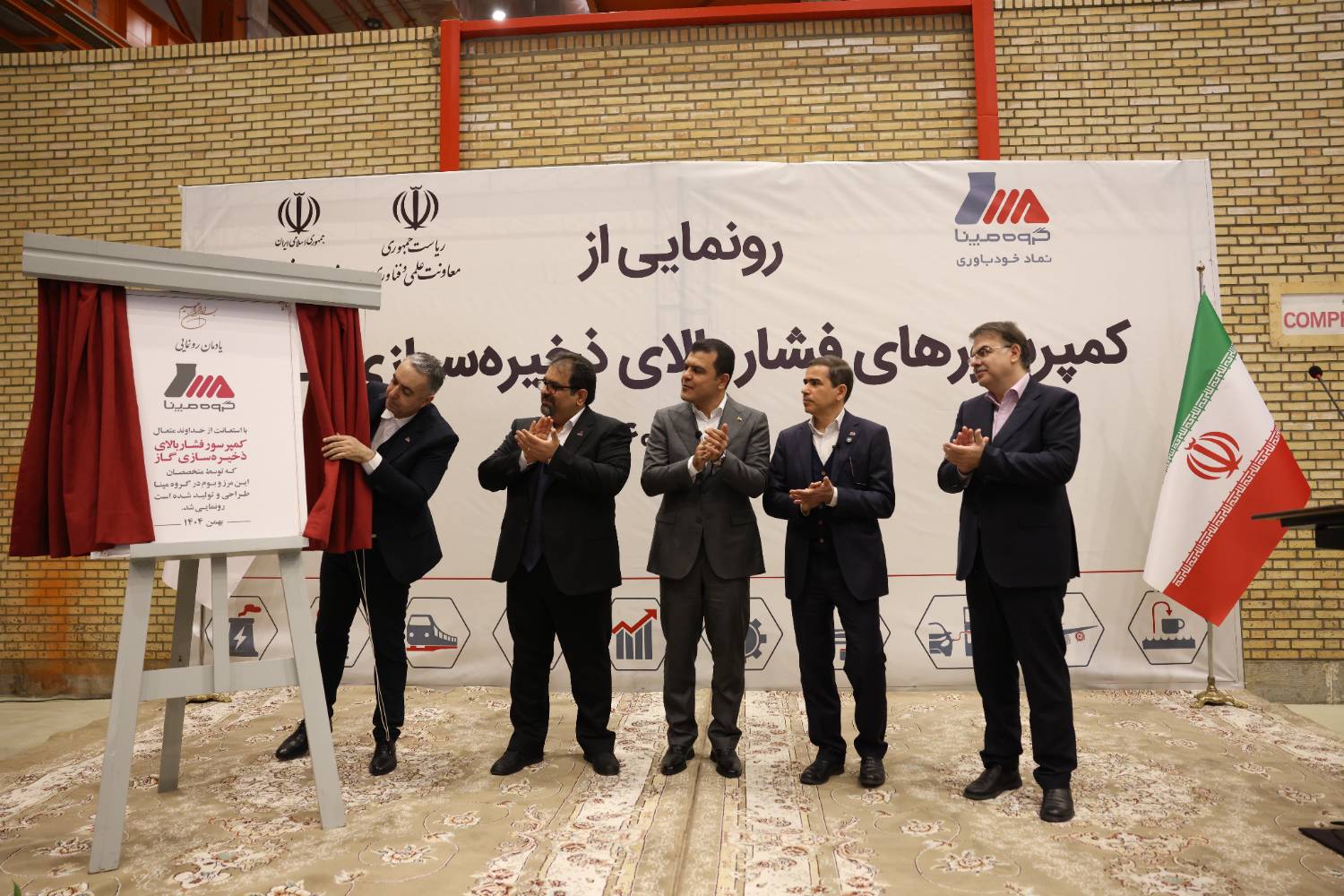
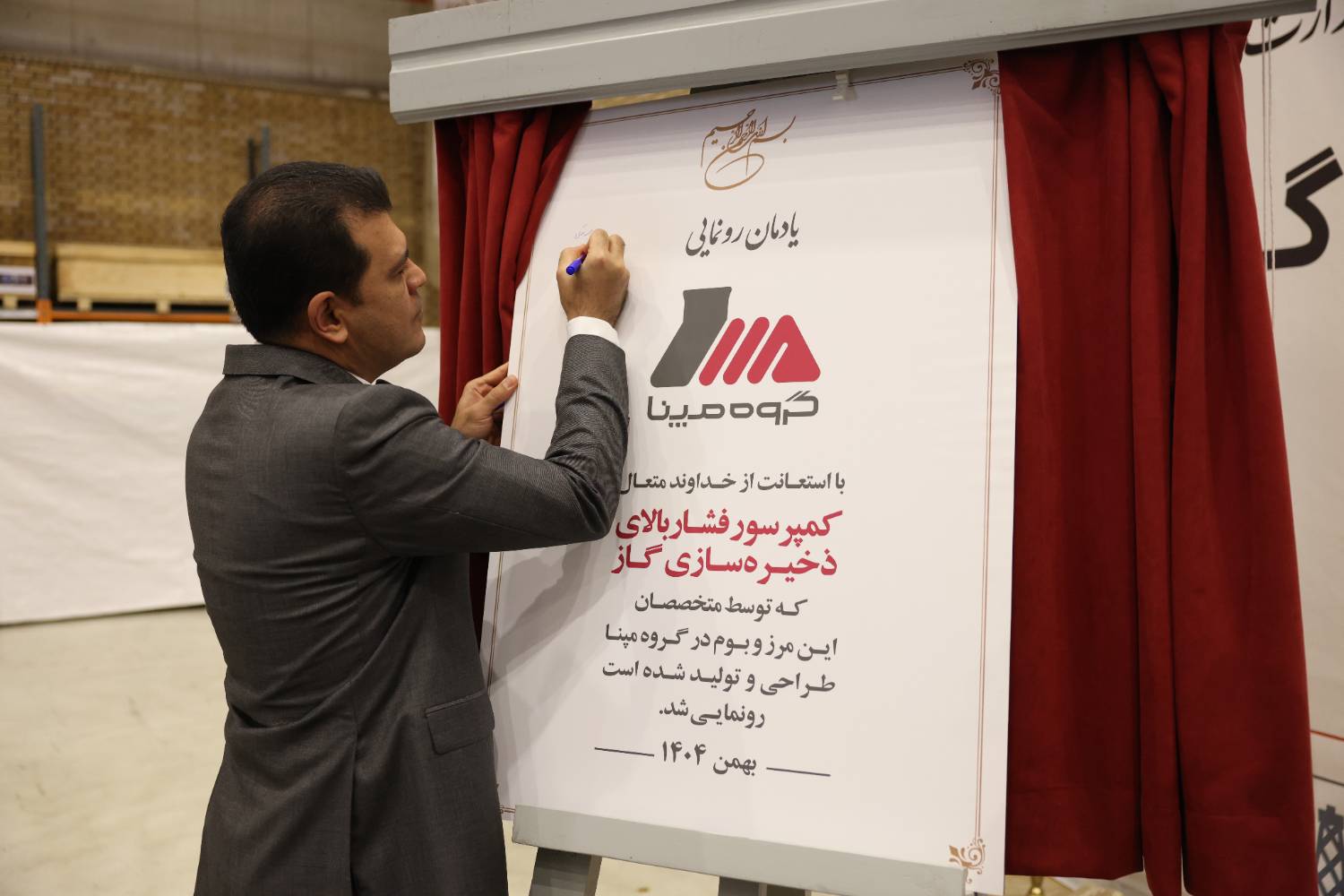
High-pressure compressors for the Shourijeh Gas Storage Project were officially unveiled in a ceremony on February 3, 2026, attended by Hossein Afshin, Vice President for Science, Technology and Knowledge-Based Economy.
The compressors have successfully passed all mechanical inspections and performance tests in line with international standards.
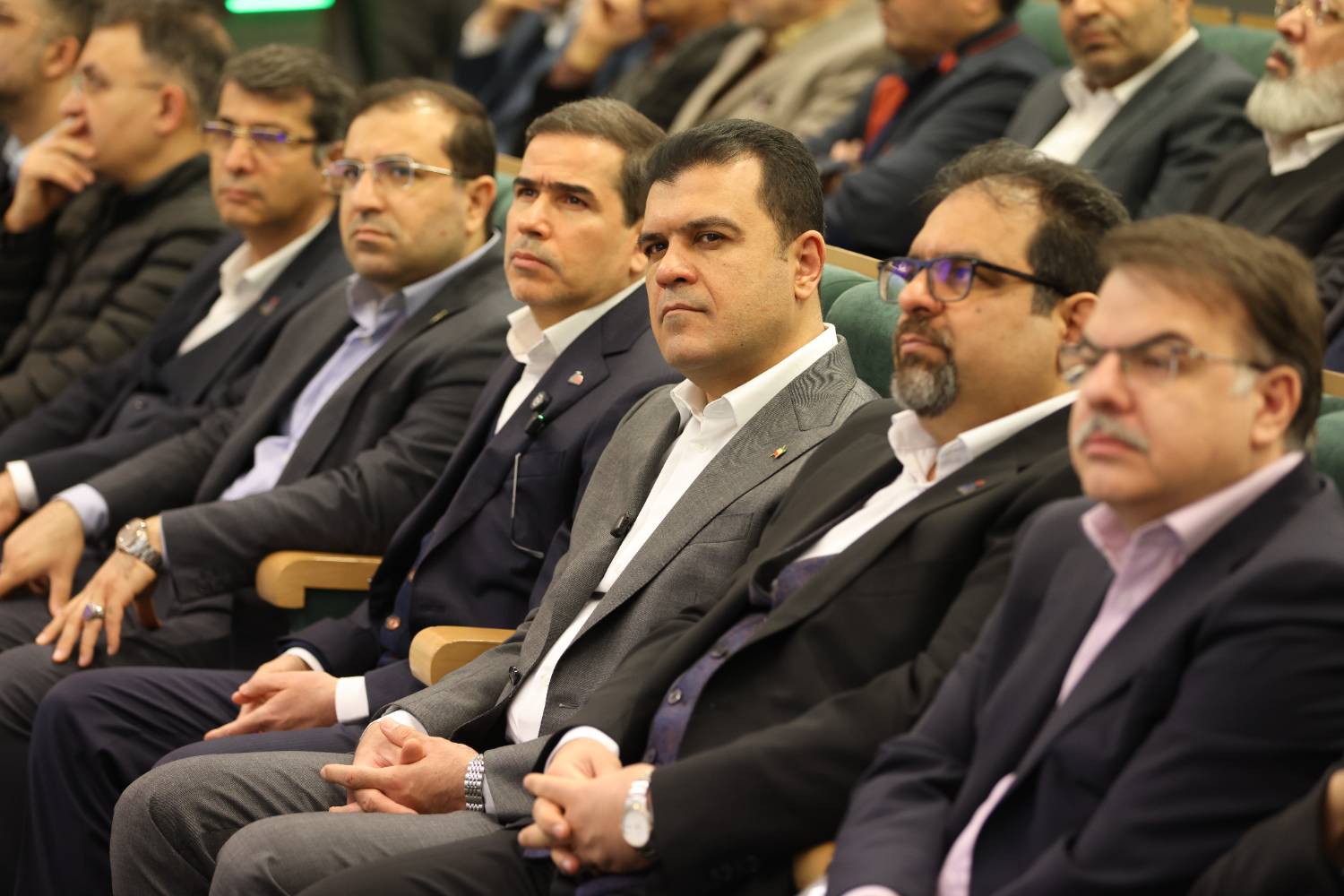
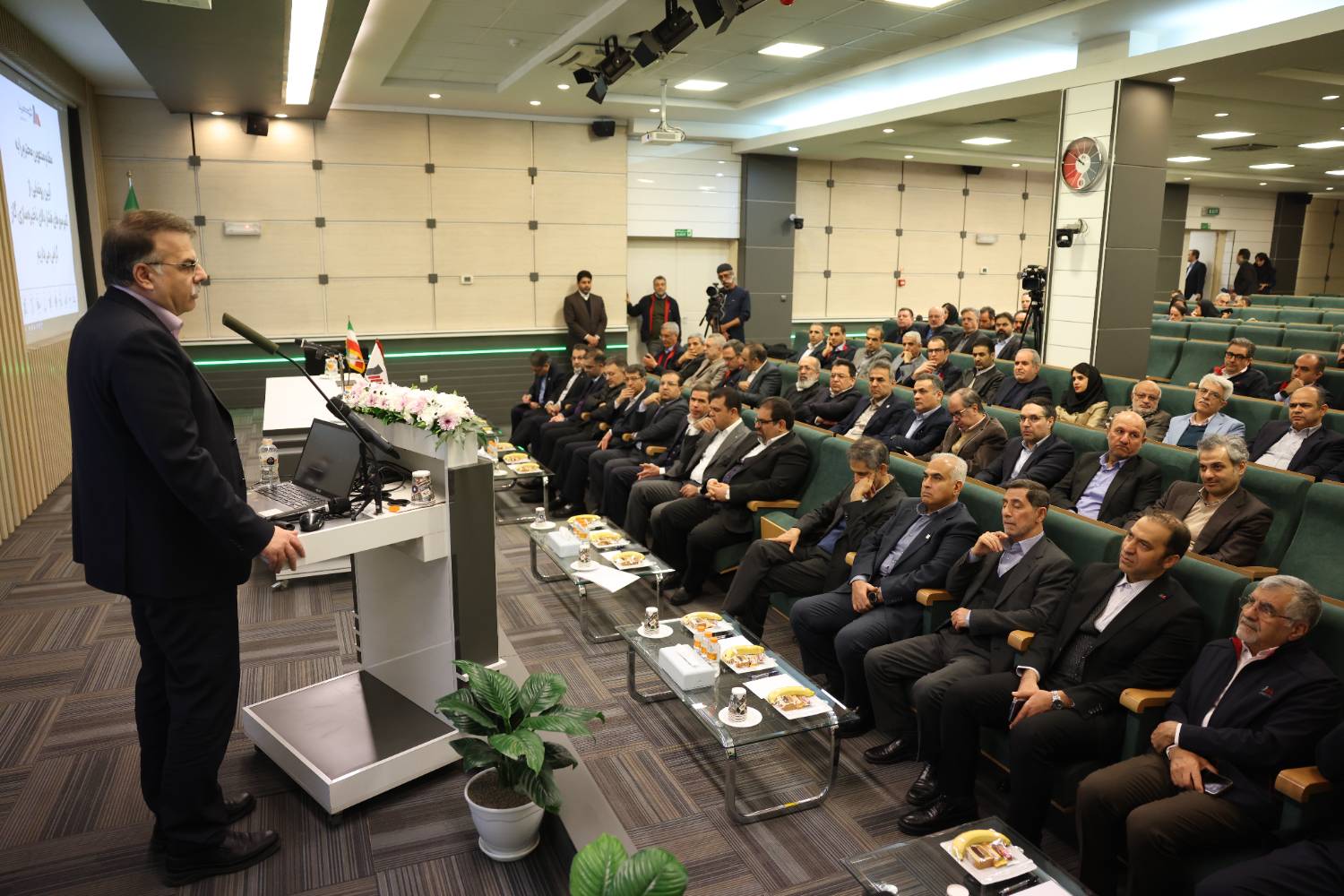
Senior managers from the oil and gas industry, the banking sector, MAPNA Group executives, and engineers involved in the project were present in the inauguration ceremony.
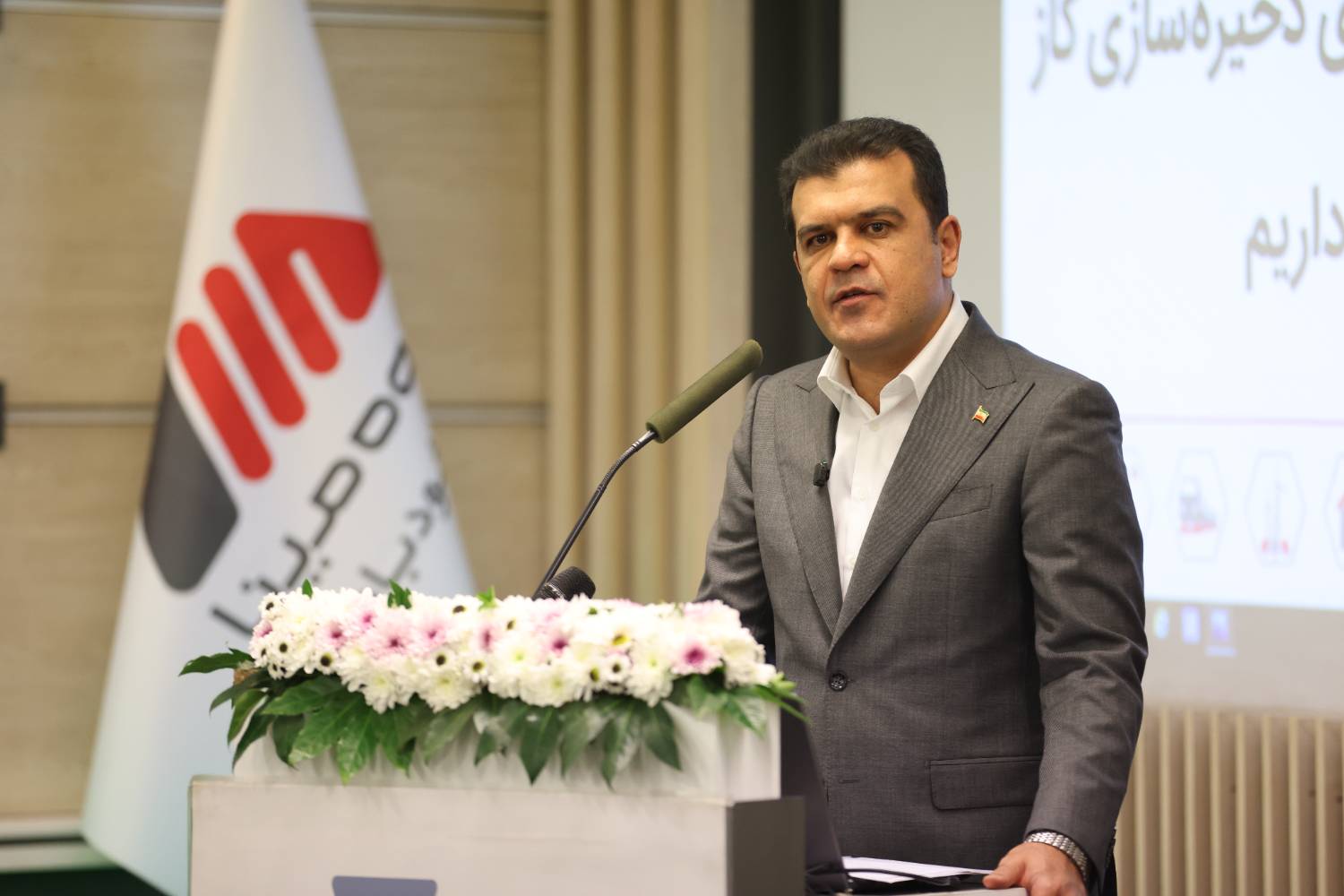
Addressing the event, Afshin compared the energy industry to a large, interconnected structure. He said if one component is not precisely designed or properly coordinated, “the whole system starts to vibrate.”
He added that industrial development is built on decisions, technologies, human capital, and mutual trust. Together, these elements drive national growth.
Afshin stressed the need for digital transformation and the use of artificial intelligence in the energy sector. He said today’s industry can no longer be imagined without data, analysis, and smart decision-making.
“Artificial intelligence in this field is no longer a technological option. It is a condition for survival,” he said.
Referring to changes in global competition, Afshin noted that the era of focusing solely on production capacity has ended.
He explained that competition today is about efficiency, sustainability, safety, and speed in perception and decision-making.
“These goals cannot be achieved without digital transformation and artificial intelligence,” he said.
Afshin emphasized the role of real operational data in decision-making; when actual power plant data feed decision models, technology choices are no longer based on guesswork or personal experience, but on evidence.
He said large companies such as MAPNA will soon be compelled to move toward AI-based design. “For this reason, MAPNA must begin this path today,” he added.
MAPNA’s role in the value chain
Afshin highlighted MAPNA’s role in developing the industrial value chain. He said large industrial groups are key drivers of value creation.
“When this engine starts, dozens and hundreds of smaller companies, universities, laboratories, and specialists begin to move,” he said. At that point, the knowledge-based economy moves from slogan to reality.
He concluded that what is seen today at MAPNA signals the start of a path where industry, technology, and human capital come together to build a reliable future.
Addressing gas storage challenges
At the same event, the CEO of MAPNA Turbine Engineering & Manufacturing Company (TUGA) explained the development path of centrifugal gas compressors at the company.
Mohammadreza Roshani-Moqaddam said the high-pressure centrifugal compressor project for the gas storage reservoir began in 2021. After completing engineering and procurement phases, the project has now reached the delivery stage.
He described the technology as a key piece of equipment for solving gas storage challenges.
Roshani-Moqaddam also referred to two gas turbines developed by MAPNA for pressure boosting in South Pars.
He said the MGT-35 turbine is at the start of the procurement phase and will be delivered by September 2027. The MGT-20 turbine, with a capacity of about 13 megawatts, will be delivered by March 2027.
A model of cooperation
In another part of the ceremony, the Deputy Oil Minister for Engineering, Research and Technology praised MAPNA Group’s technological capabilities.
Omid Shakeri said the event marked the unveiling of not just a product, but a successful cooperation model.
He noted the effective synergy between the public sector and non-governmental contractors, with MAPNA serving as a clear example.
Shakeri said the government can support technology development by defining projects and purposefully assigning them to knowledge-based companies.
He added that this approach can be repeated as a development policy within the Oil Ministry.
“Our duty is to trust Iranian companies and remove obstacles in their path,” he said. This approach increases motivation for investment in learning, technology development, and strengthening the industrial chain. He described this policy as a firm and unwavering commitment of the Oil Ministry.
Shakeri referred to the Oil Minister’s emphasis on trusting domestic companies. He said removing barriers and creating the right conditions will allow Iranian firms to play a stronger role in oil and gas projects.
He explained that this policy is being pursued through two main paths: linking domestic capabilities to “first-of-a-kind production” projects, and defining and implementing technology annexes in development contracts.
Shakeri said the project unveiled today is a practical example of a technology annex. With proper project definition, it has led to a real upgrade in technical capabilities.
He added that the country’s Economic Council has recently emphasized technology annexes as a requirement for major development projects, and the Oil Ministry is following this seriously.
Trust in domestic companies
Later, the Deputy Oil Minister and CEO of the National Iranian Gas Company referred to MAPNA Group’s growing industrial maturity in recent years under its new management.
Saeed Tavakoli said the technical complexity of the Shourijeh project could have tempted many to rely on foreign procurement to avoid investment risk.
“But in the end, trust was placed in an Iranian company,” he said, adding that strong confidence was received from MAPNA Group.
He noted that by supporting domestic companies and removing growth barriers, similar successes can be achieved.
Tavakoli emphasized that the relationship with MAPNA is viewed not as a traditional employer-contractor model, but as a strategic partnership.
Project unveiling and plant visit
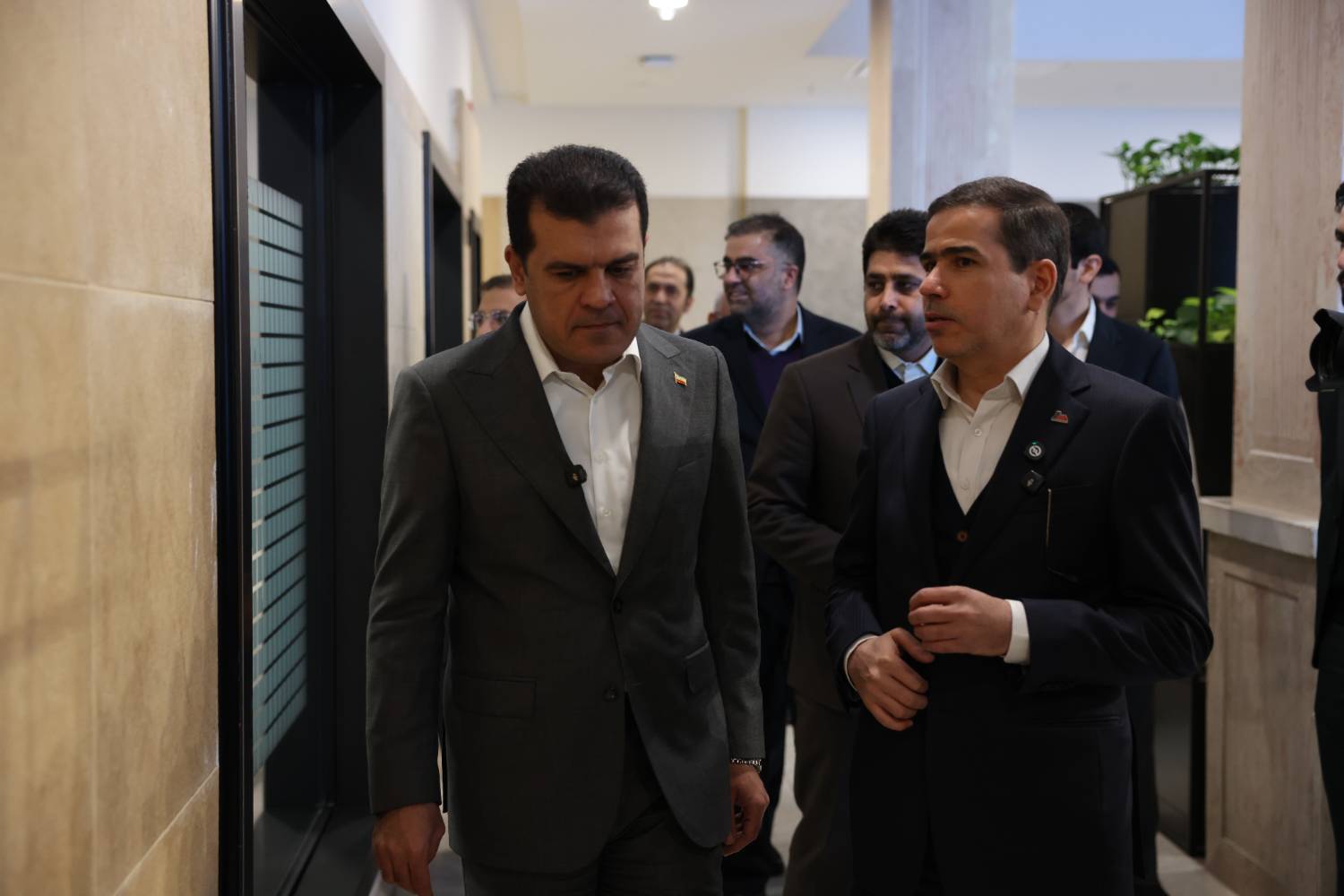
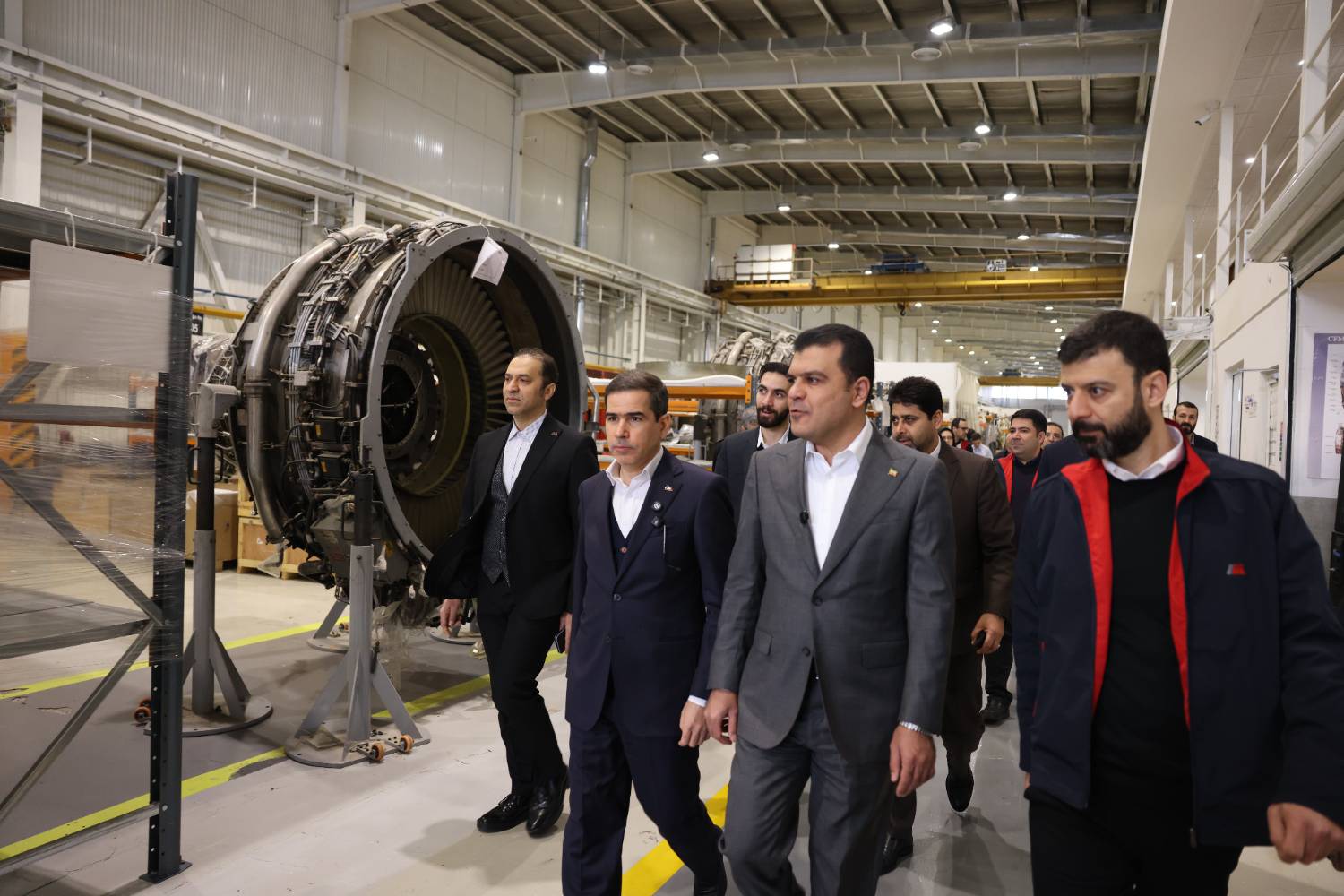
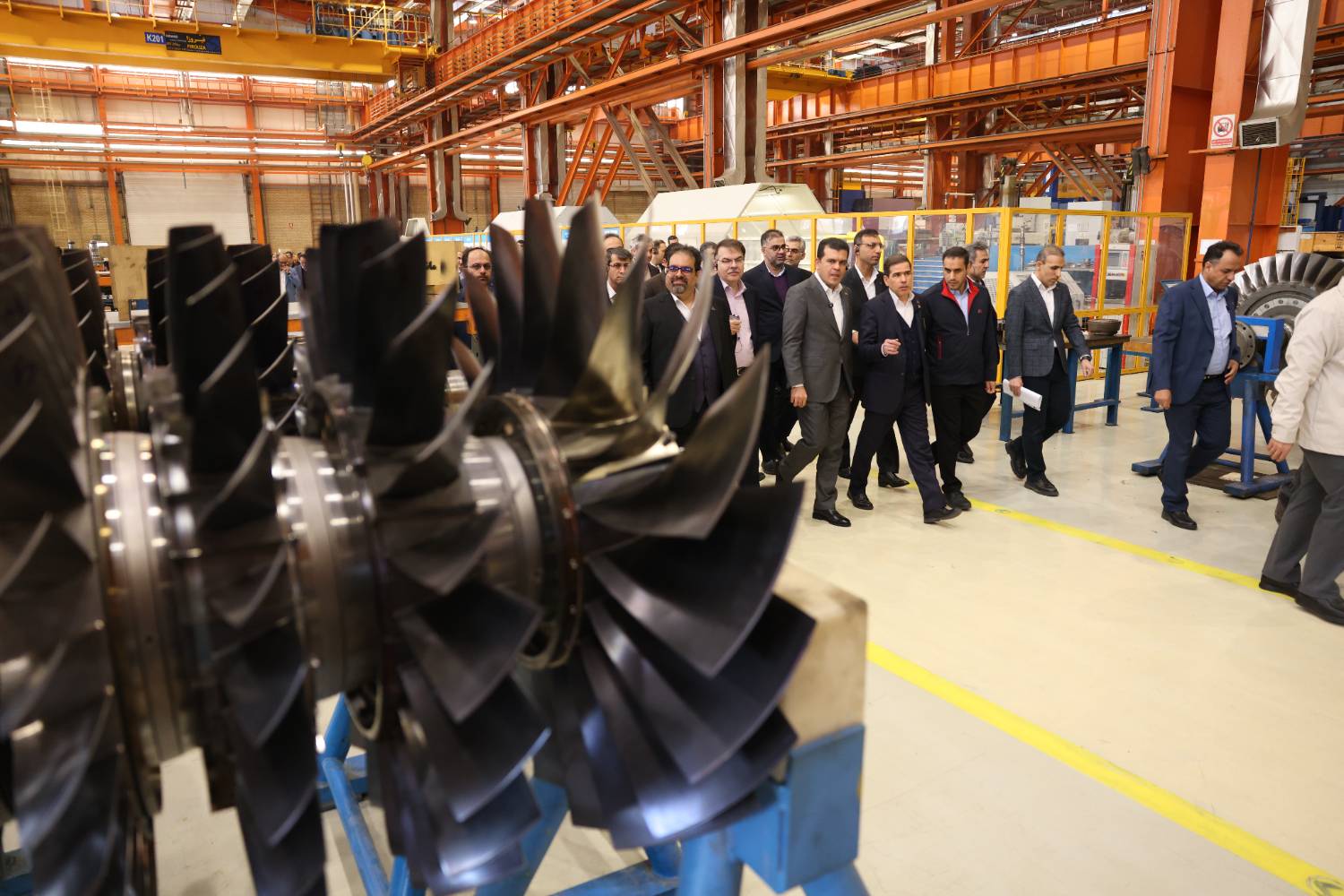
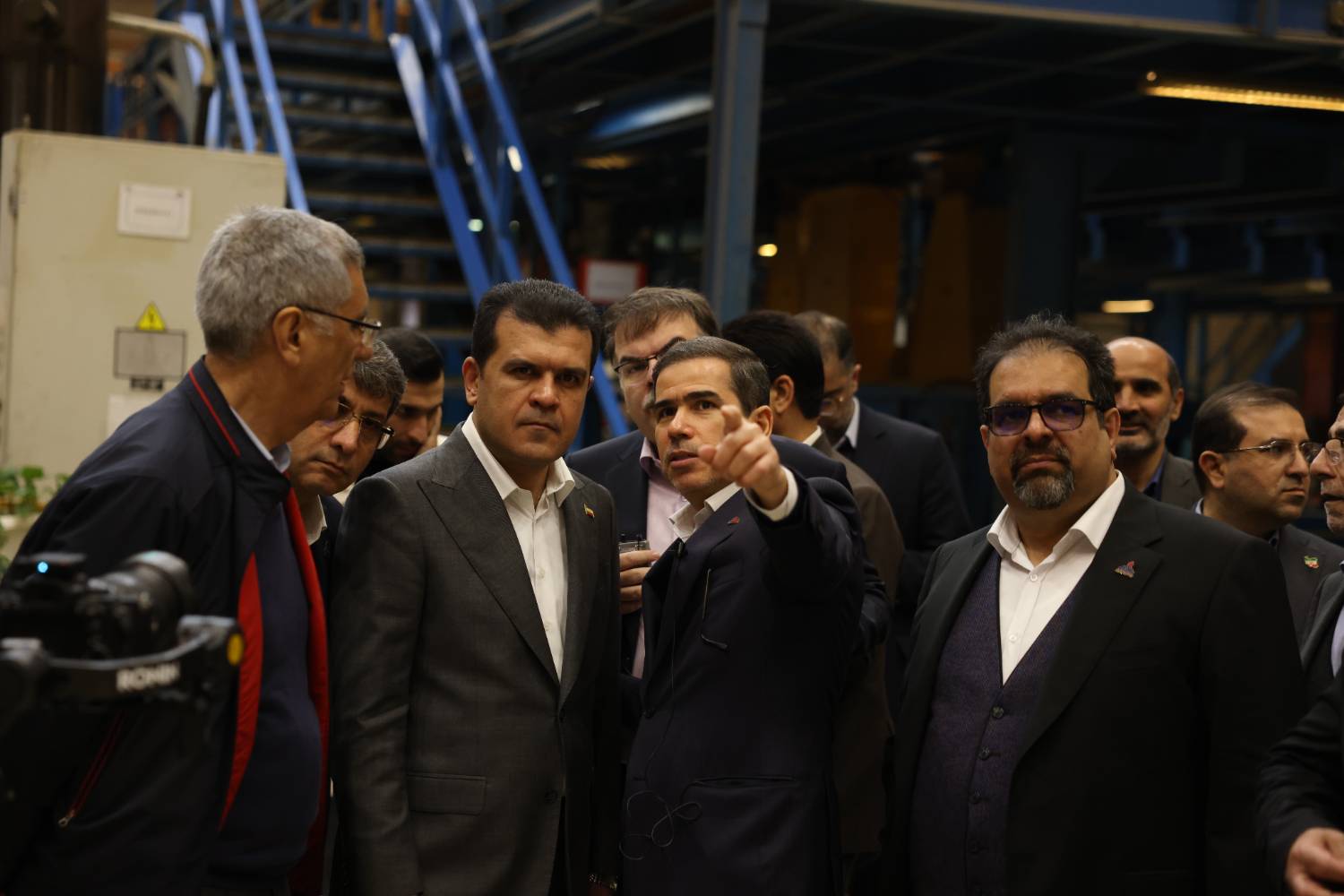
At the end of the ceremony, officials visited various production halls at MAPNA Turbine Engineering & Manufacturing Company (TUGA).
The high-pressure gas storage compressors manufactured by MAPNA Group were officially unveiled in the presence of the guests hosted by MAPNA Group managers, including the conglomerate’s president Mohammad Owliya.
MAPNA compressors in the Shourijeh project
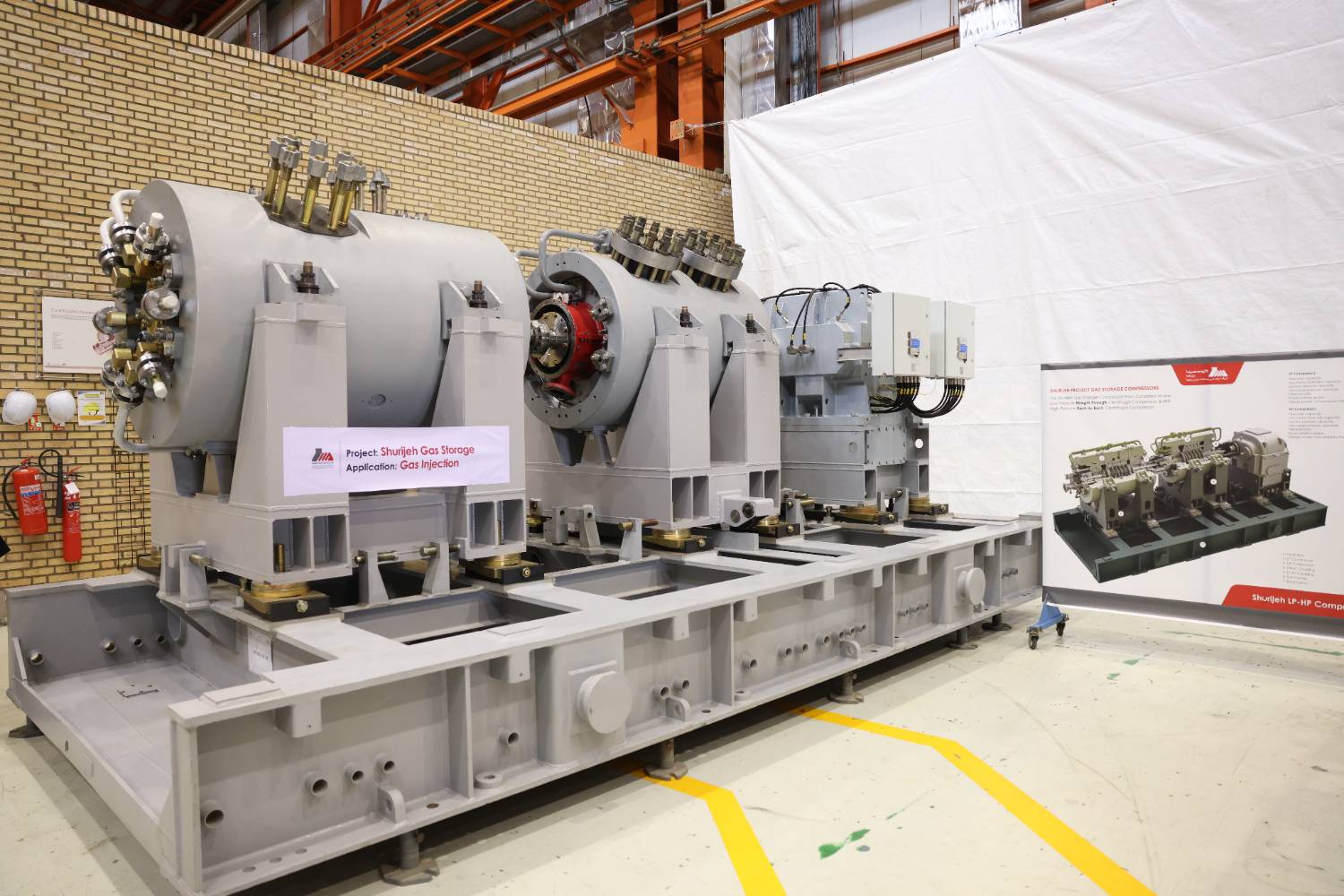
The high-pressure centrifugal compressors for Phase II of the Shourijeh Gas Storage Project were fully designed and manufactured by MAPNA Turbine Engineering & Manufacturing Company (TUGA).
They receive gas from the national IGAT transmission pipelines. The compressors increase pressure from 49 bar to a maximum of 345 bar in two stages, using a tandem arrangement.
The gas is then injected into underground reservoirs for use during peak consumption periods.
In this system, the low-pressure (LP) compressor is designed in a straight-through configuration. The high-pressure (HP) compressor uses a back-to-back configuration.
An MGT-30 gas turbine, with a capacity of 25 megawatts, provides the required torque. The maximum operating speed reaches 13,380 revolutions per minute.
This configuration ensures stable operation, high efficiency, and a desirable level of reliability under project operating conditions.
Design and manufacture of centrifugal compressors up to 180 bar have been carried out routinely at TUGA and other companies since the 2010s. However, developing centrifugal compressors for pressures above this level involves major challenges.
These challenges include complex fluid aerodynamic behavior, combined vibration and mechanical effects, and demanding design, manufacturing, and testing requirements. In some cases, specialized infrastructure is needed.
For this reason, such technology has long been limited to a small number of Japanese and Western companies.
Achieving this capability places MAPNA Group among the few manufacturers worldwide with proven references in high-pressure centrifugal compressor design and manufacturing. It marks a significant milestone in advancing domestic capabilities and high-level engineering in Iran’s industry.
Other applications of these compressors include gas injection into oil wells to maintain and increase recovery rates. This achievement enables full domestic supply of equipment required in this field.
All compressors have successfully passed mechanical inspections and performance tests in accordance with international standards.