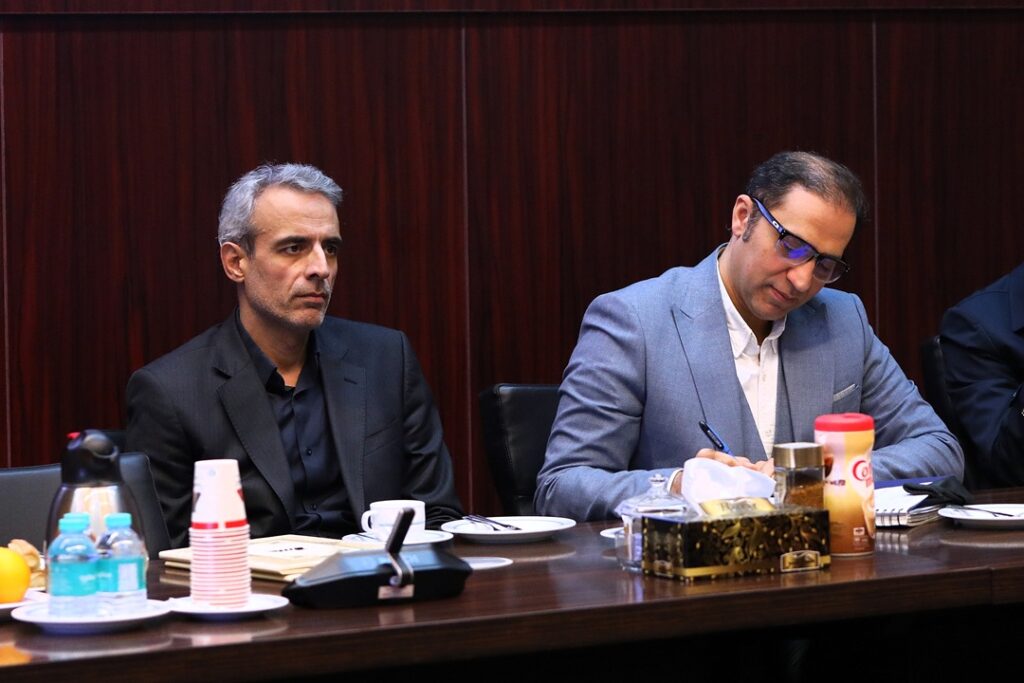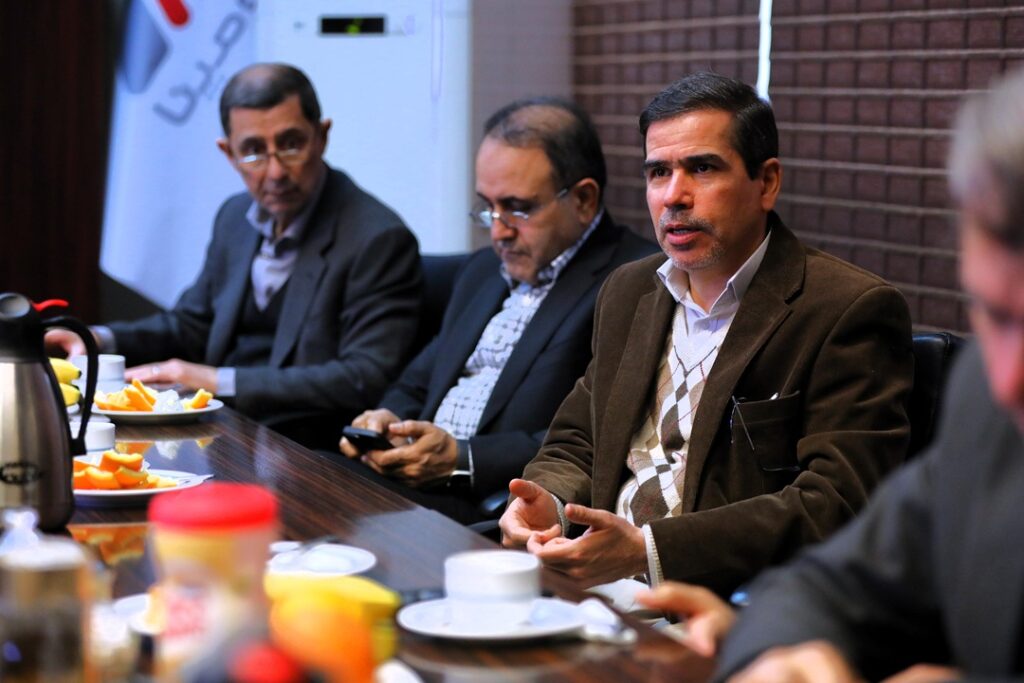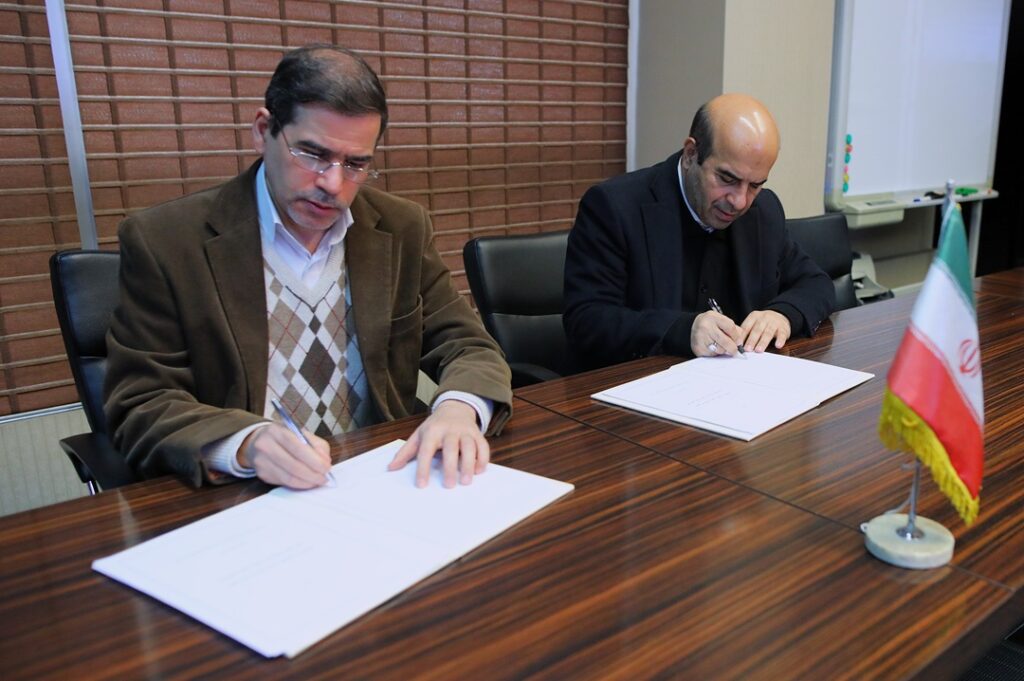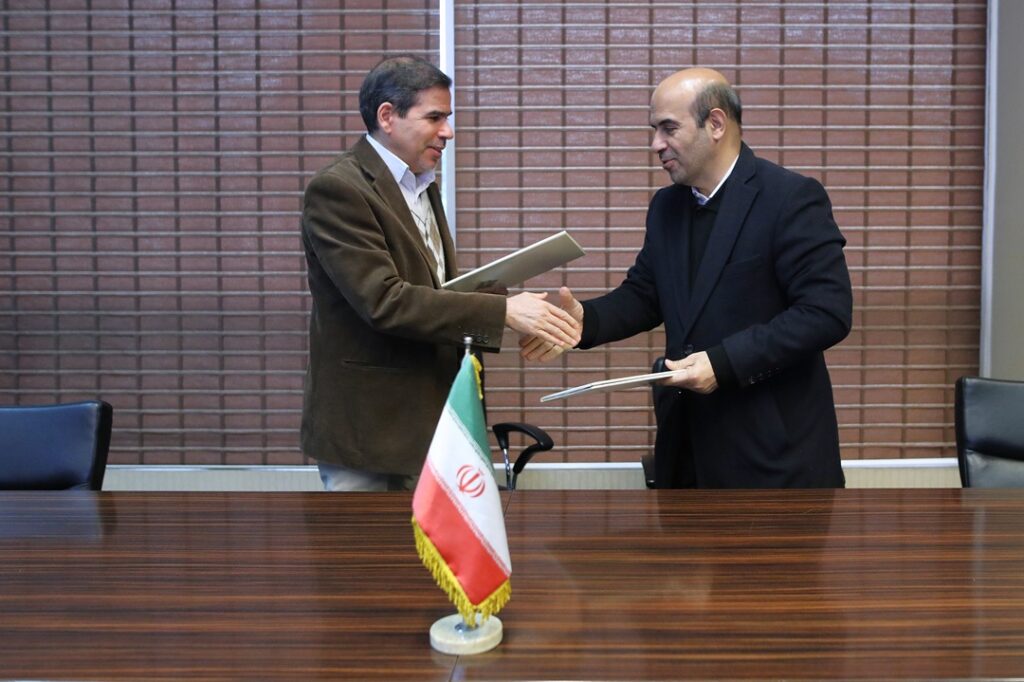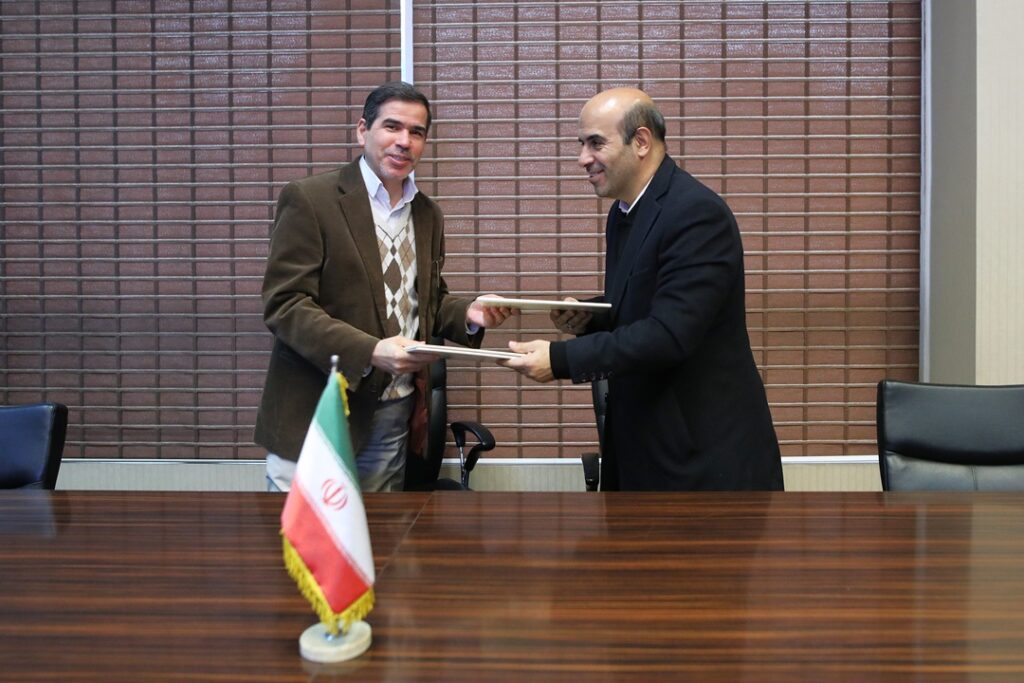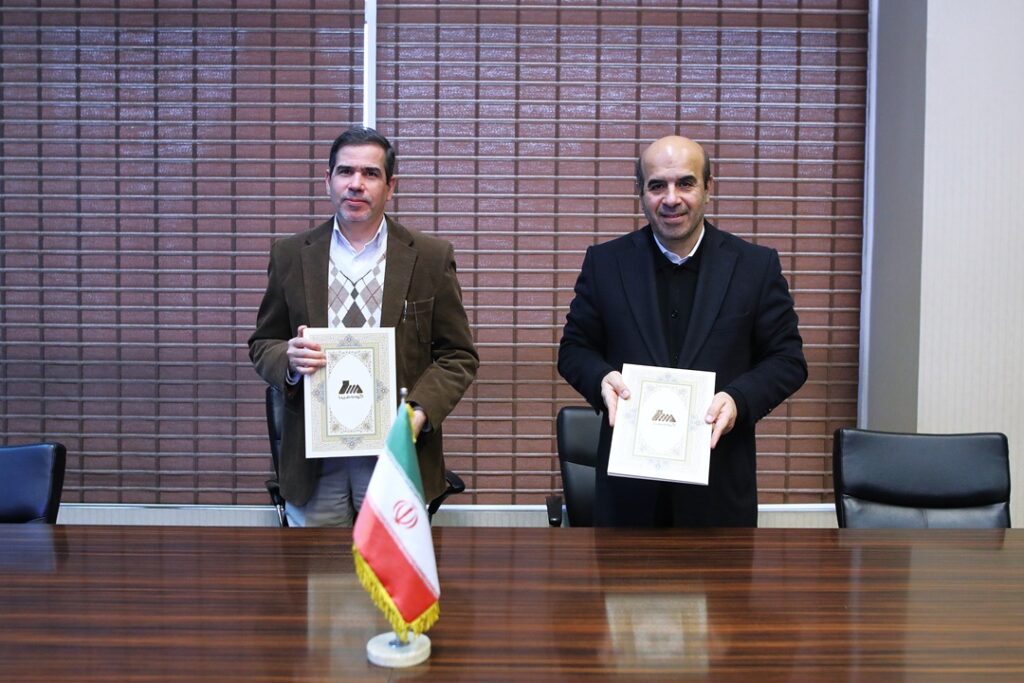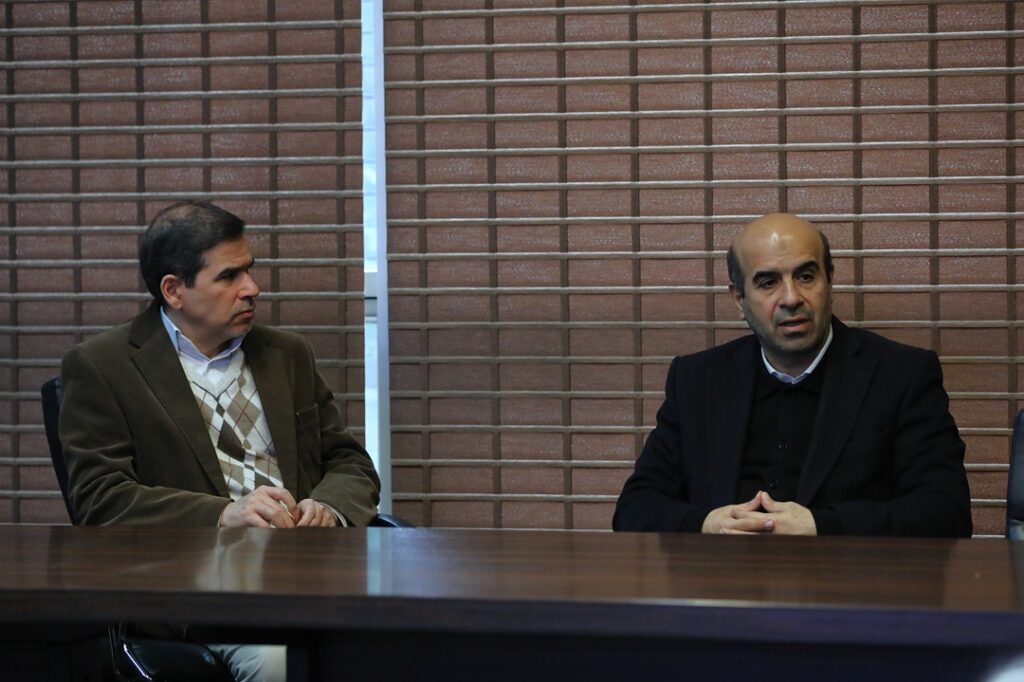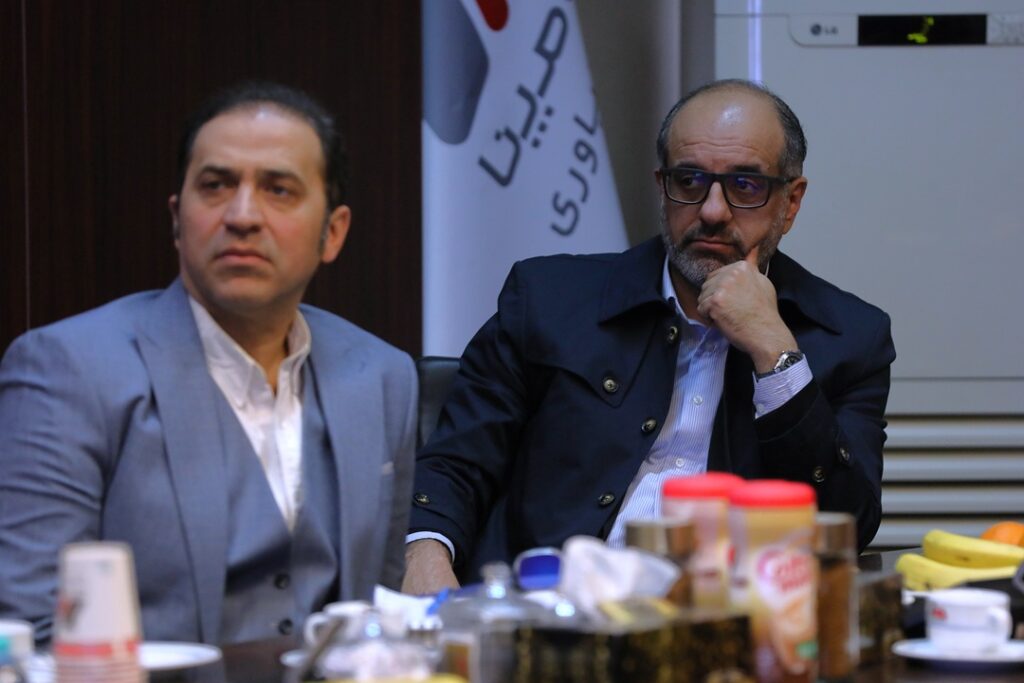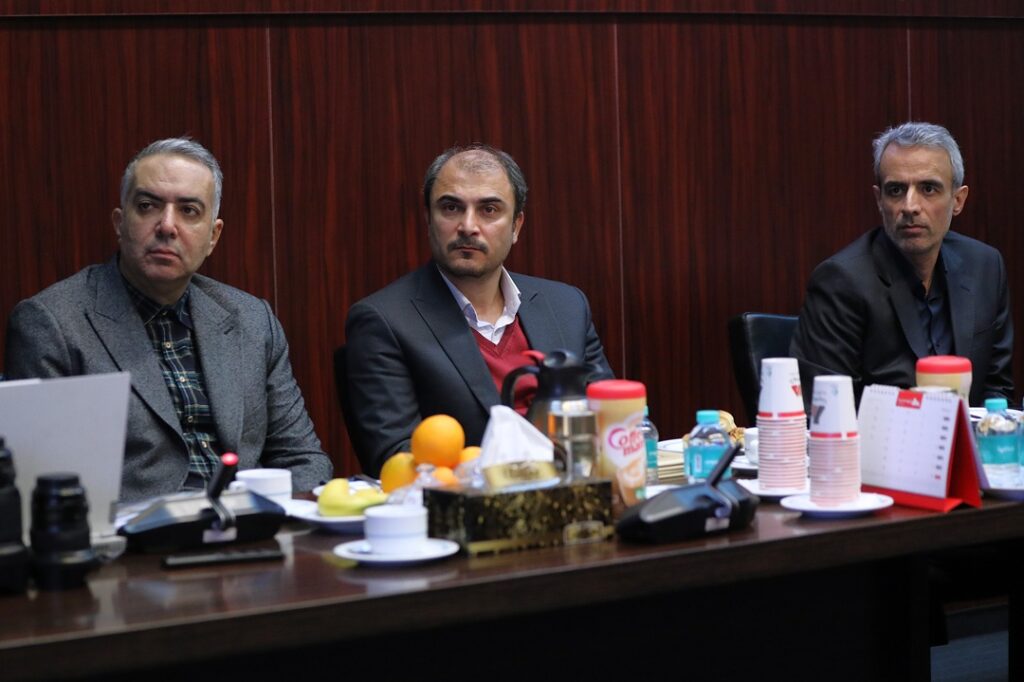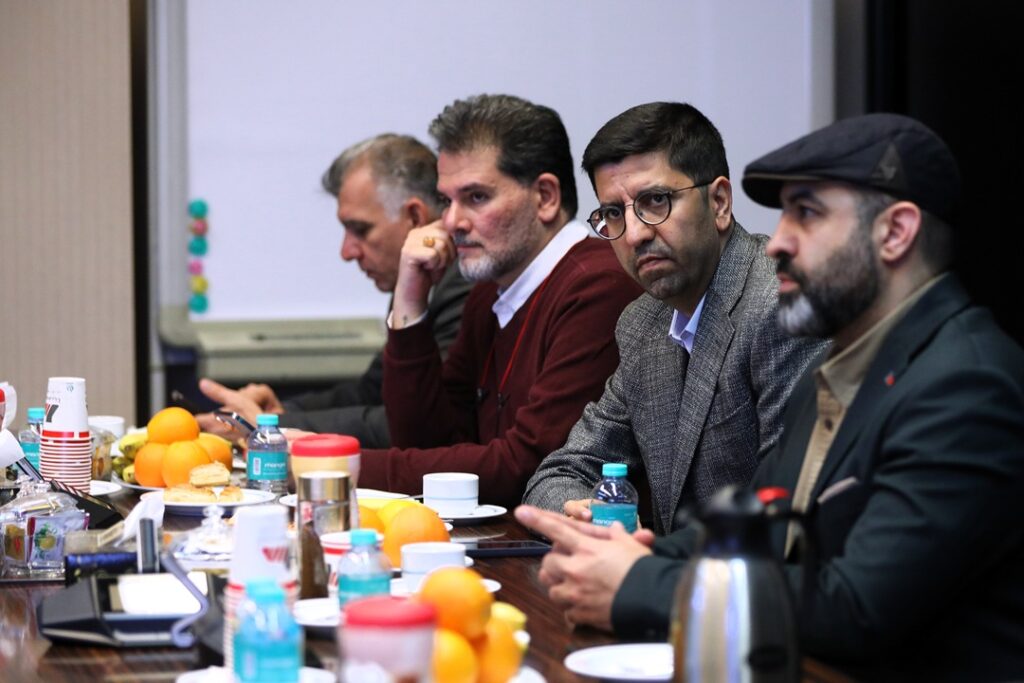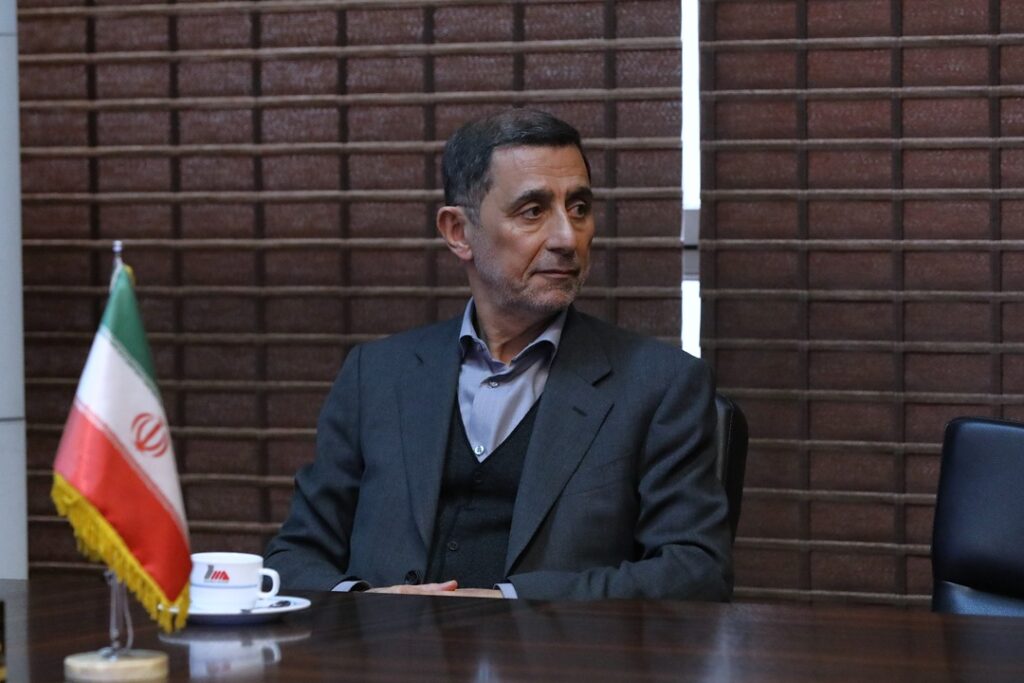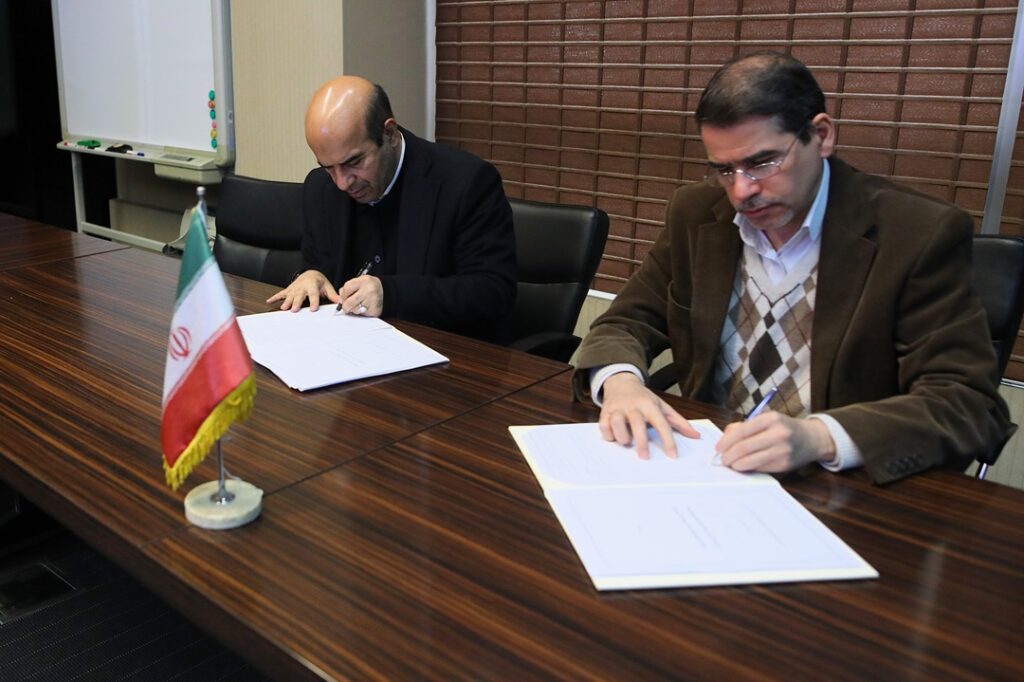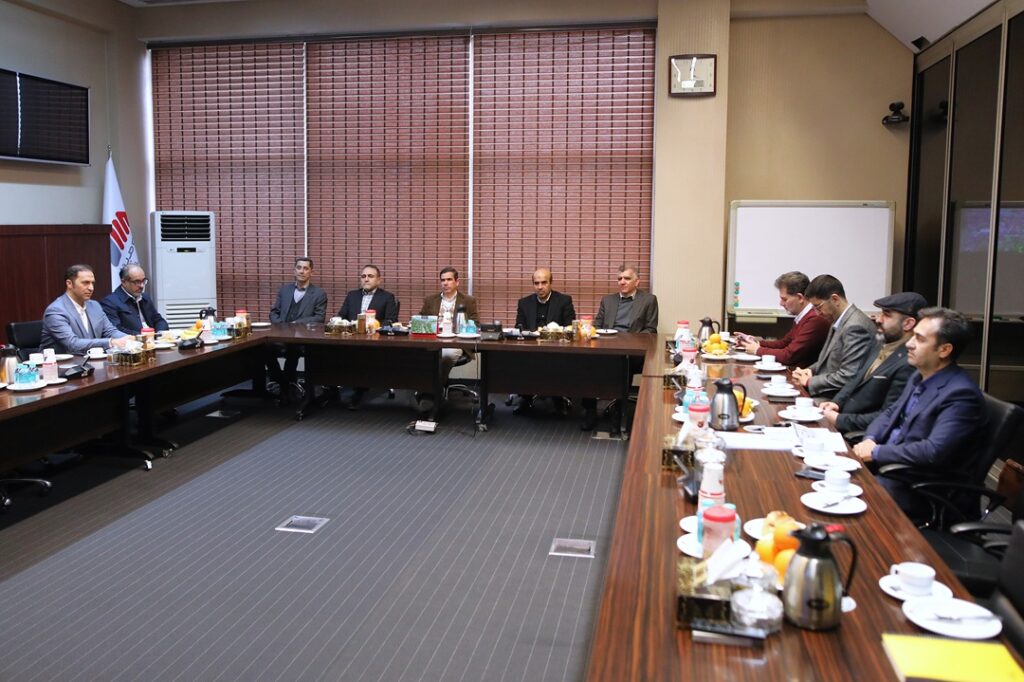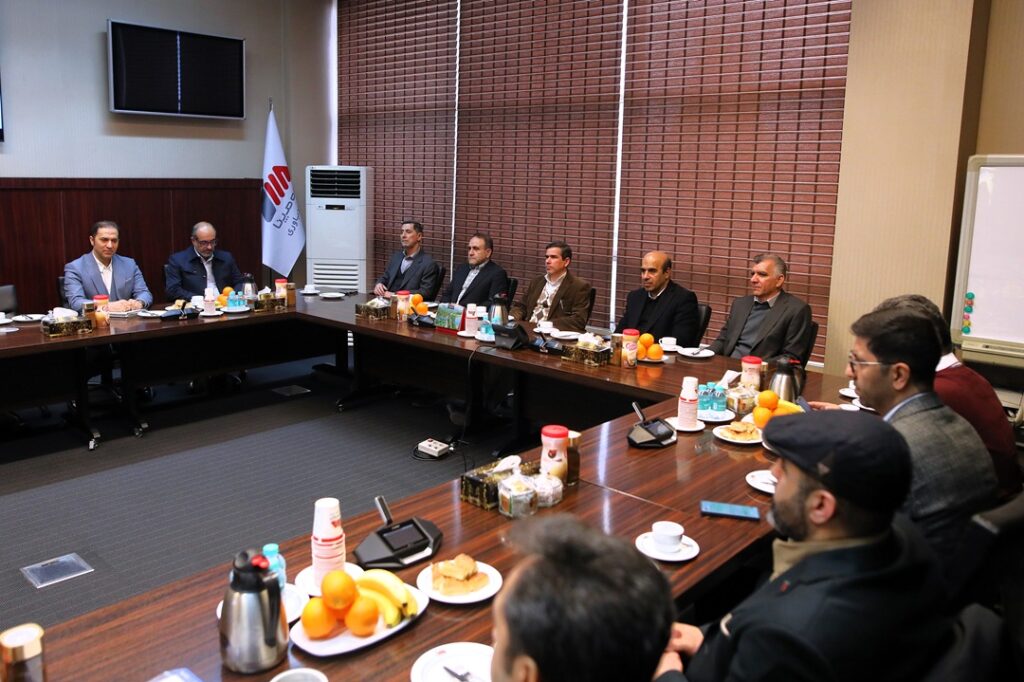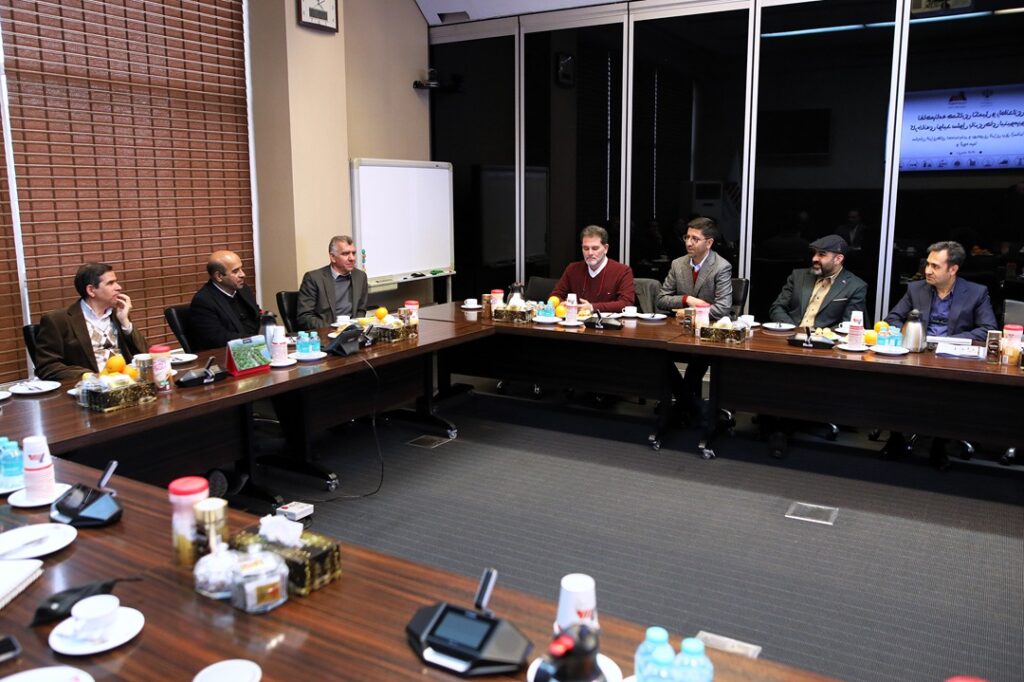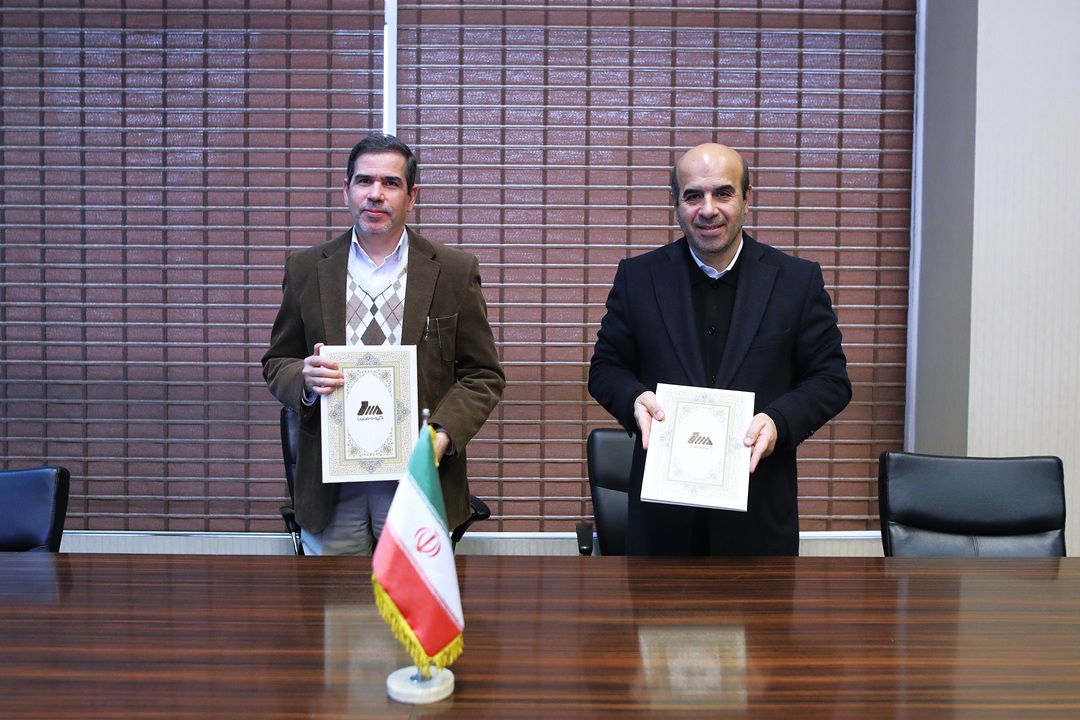
The memorandum was signed on December 28, 2025, by Mohammad Owliya, President of MAPNA Group, and Mohsen Tarztalab, Head of SATBA.
It focuses on aligning MAPNA’s technical, engineering and manufacturing capacities with SATBA’s regulatory and supportive role in developing renewable energy–related industries.
Under the agreement, MAPNA will pursue a feasibility study and prepare a comprehensive cooperation model for completing and launching the plant’s main production line.
The company has already commissioned a pilot lithium-ion battery cell production line, supplied the full equipment for the main line with an annual capacity of 500 megawatt-hours, and built the required physical infrastructure.
The cooperation model will cover legal, technical, financial and executive aspects of the project. It will also serve as the basis for drafting future implementation contracts.
MAPNA’s responsibilities under the MoU include providing specialized human resources, updating technical know-how based on the operational pilot line, installing and commissioning the main production line, managing production and sales in domestic and international markets, and conducting procurement engineering to ensure a stable supply of raw materials.
SATBA, within the framework of applicable laws and regulations—including considerations related to Article 44 of the Constitution—will review and follow up on the feasibility of participation and support for completing the remaining parts of the project.
Subject to obtaining the necessary legal approvals and signing an executive contract, this support may include contributing part of the required investment, constructing specialized facilities such as dry rooms and clean rooms in line with battery cell manufacturing standards, developing auxiliary buildings, and facilitating access to raw materials from domestic and international sources.
The document is seen as an important step toward advancing energy storage technologies, localizing lithium-ion battery cell production, and strengthening the infrastructure supporting renewable energy in Iran.
Once implemented, the project is expected to contribute to greater power grid stability and help advance the country’s broader energy transition goals.