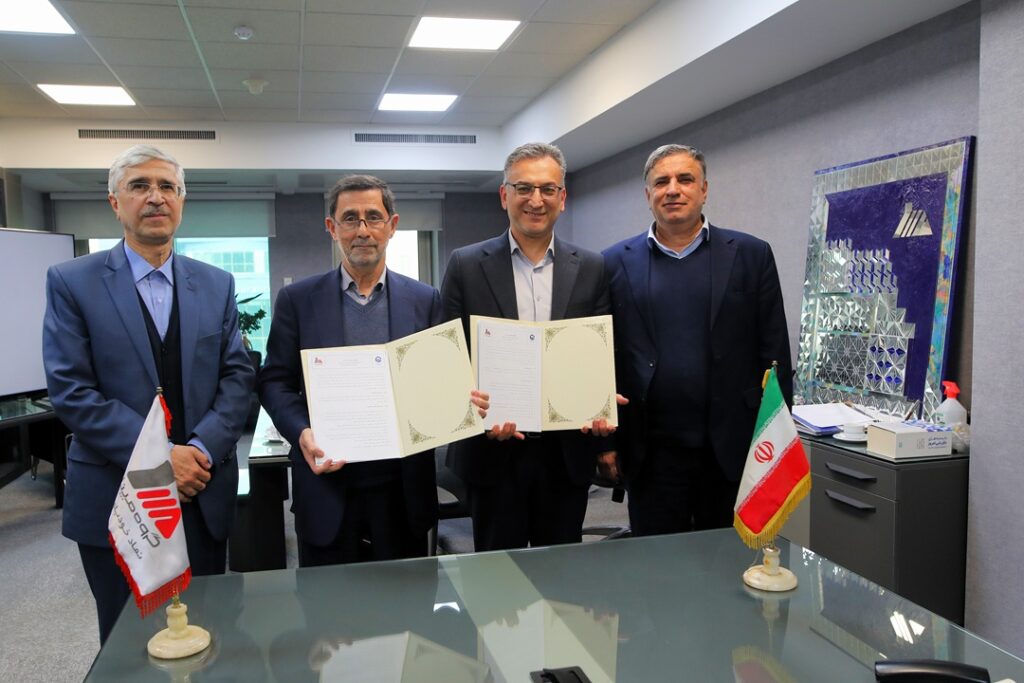
Officials at the signing said global trends show advanced pilot projects in power distribution have closed much knowledge gaps. They said smart networks are now central to grid planning.
They noted rising electricity demand in Iran, more renewable energy use, and tight investment resources. These trends increase the need for new technology in power transmission, distribution, and consumption.
Experts at the event said Advanced Distribution Management Systems (ADMS) will play a key role. They said these systems help grid operators monitor, analyze, and manage networks more efficiently.
They also cited the importance of monitoring equipment on transmission and distribution lines. Tools such as data analytics and artificial intelligence can boost network performance, cut outages, and extend asset life.
Speakers emphasized asset management strategies to make the most of existing infrastructure. They said this approach can delay costly investments and is crucial for Iran’s power networks.
Under the agreement, the two sides will work together on network studies. These studies will aim to increase grid stability and overall reliability. Partners will also develop and implement smart operational systems.
Another priority is creating an updated atlas of renewable energy hosting capacity. The partners will explore ways to integrate renewable sources into the grid more effectively.
The deal includes cooperation on smart microgrid development and new energy storage solutions. These steps, they said, will help modernize local networks.
Officials said they will expand infrastructure for electric vehicles. The agreement also includes using AI in grid planning and operation. They will adopt Internet of Things (IoT) technologies to improve data flows and network control.
Other goals include reducing energy losses, increasing efficiency, and upgrading protective equipment systems. The partners plan initiatives to improve power quality and support local energy markets.
The agreement also covers projects for equipment monitoring, quality control, and network system supervision.
At the meeting, officials referenced related agreements on first-of-a-kind technology products. One such agreement supports a D-STATCOM pilot project. This static synchronous compensator will help manage reactive power in distribution systems.
They said the D-STATCOM pilot will be implemented with MAPNA Group, Tavanir (Iran’s national power authority), and the Vice-Presidency for Science, Technology and Knowledge-Based Economy. The Khorasan Razavi Power Distribution Company will host the pilot. Organizers said the goal is to localize, develop, and evaluate this emerging technology for Iran’s power distribution networks.