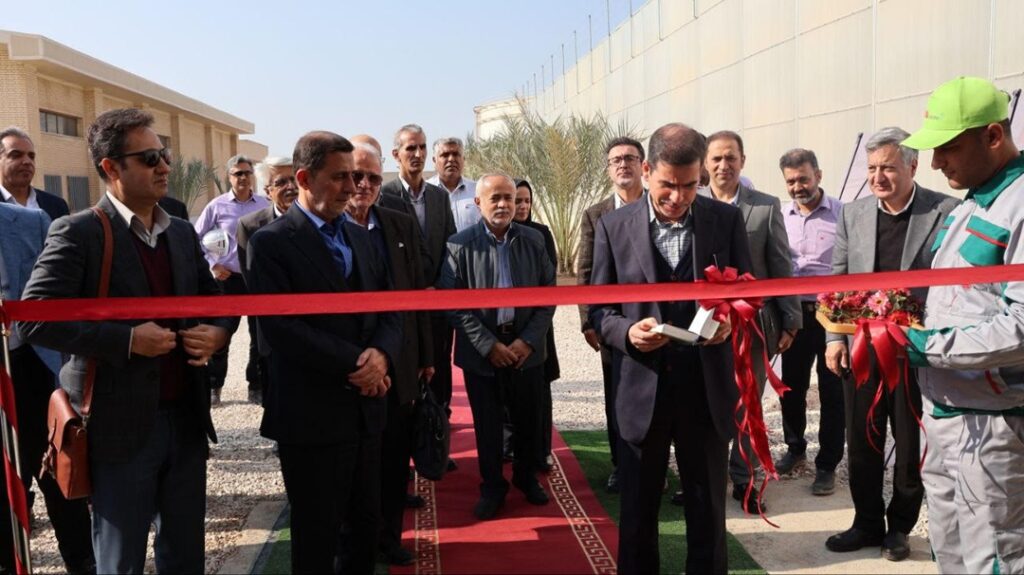
This national pilot initiative integrates advanced greenhouse technology with solar energy generation to promote sustainable agriculture.
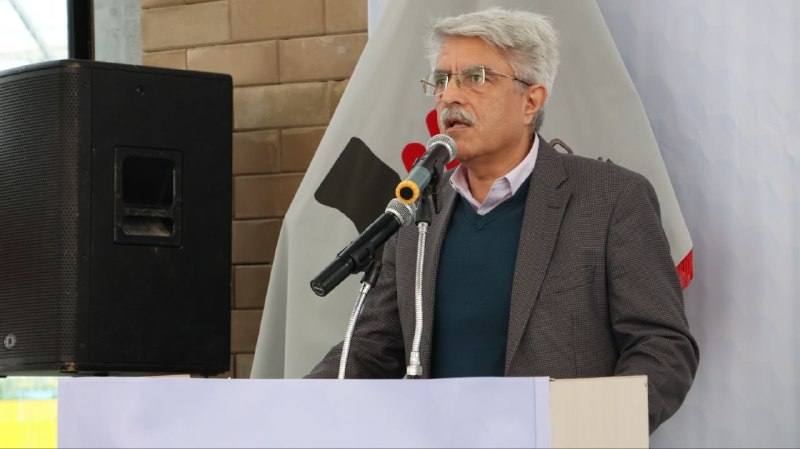
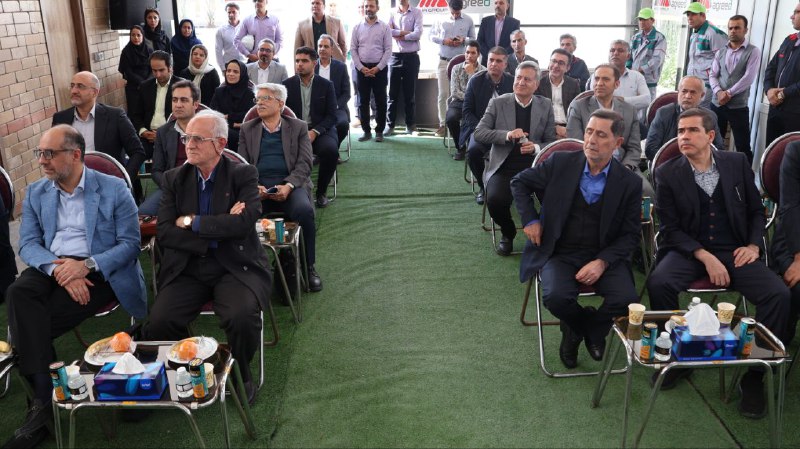
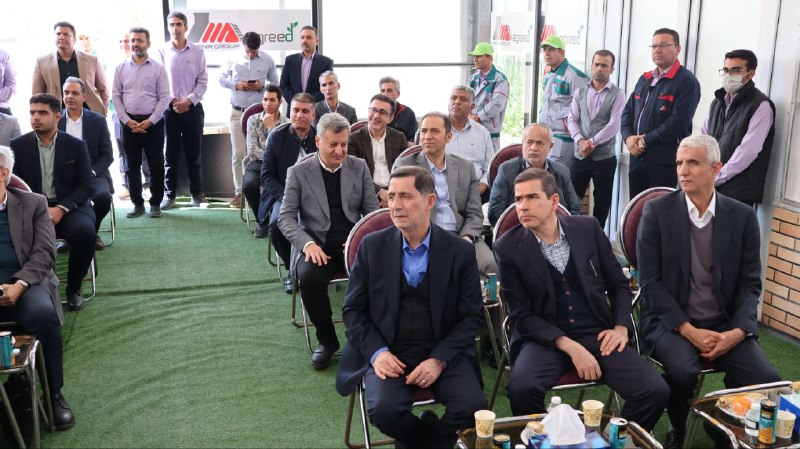
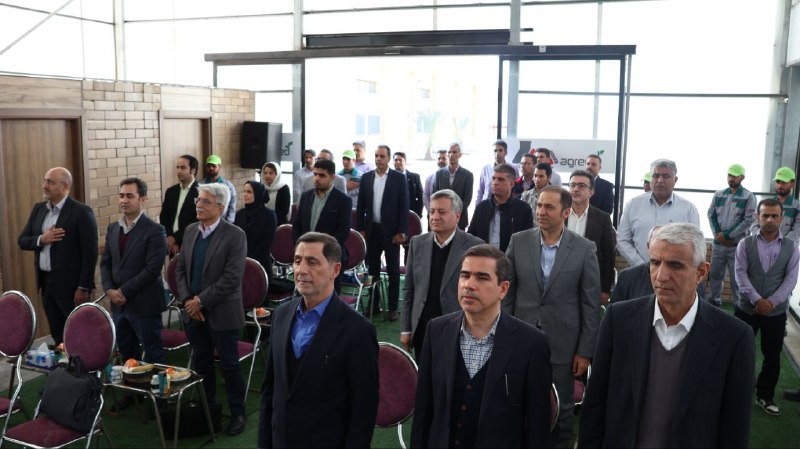
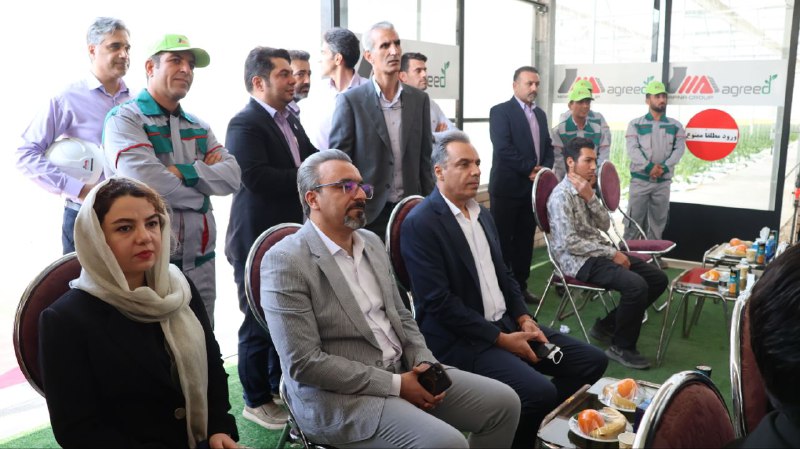
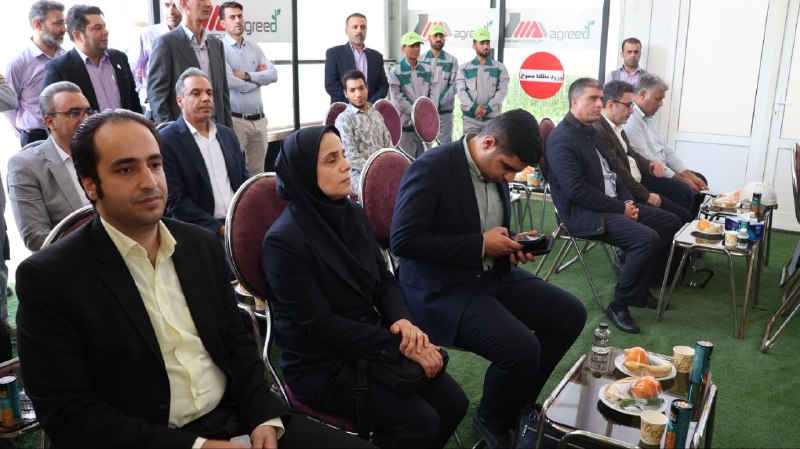
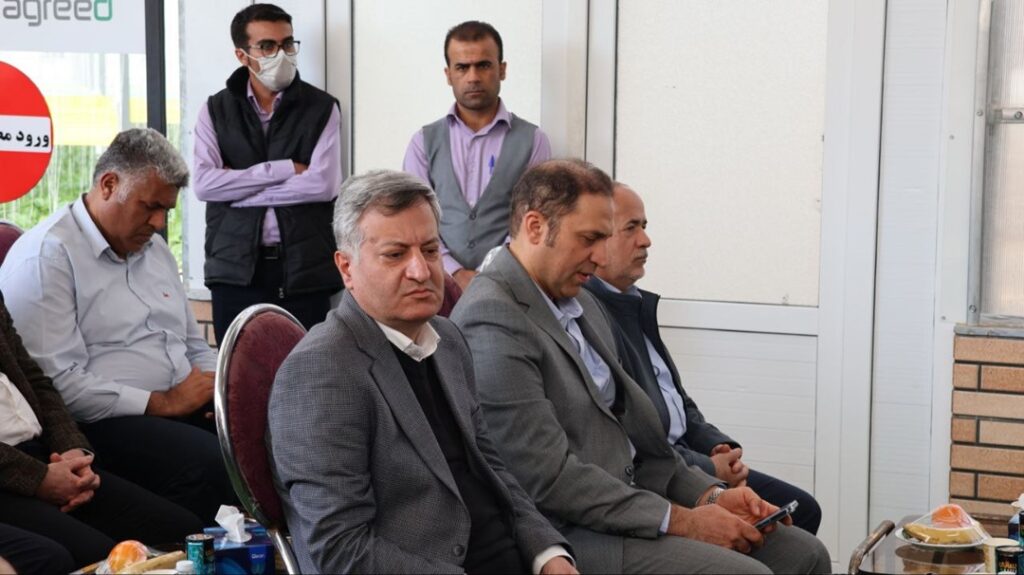
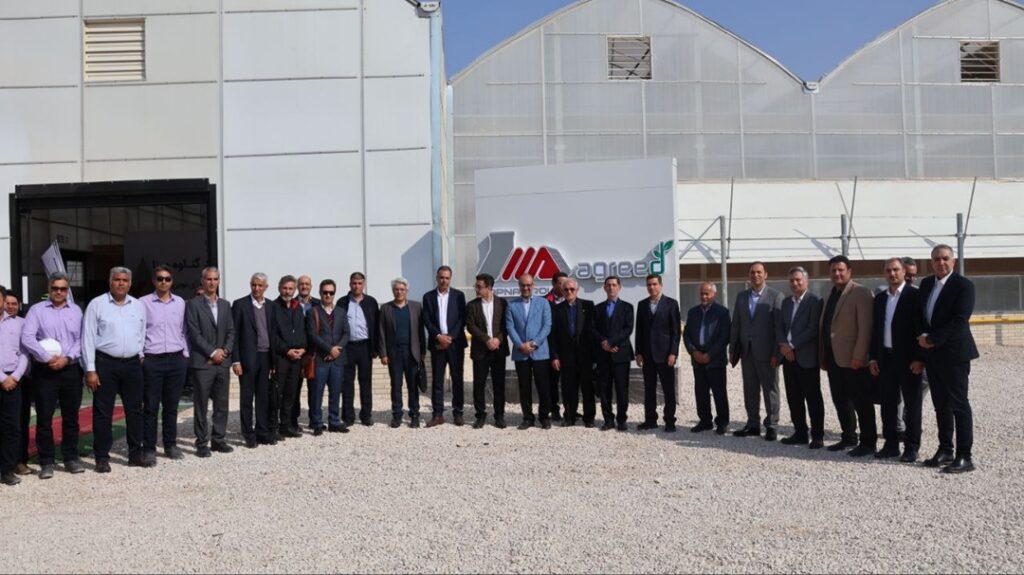
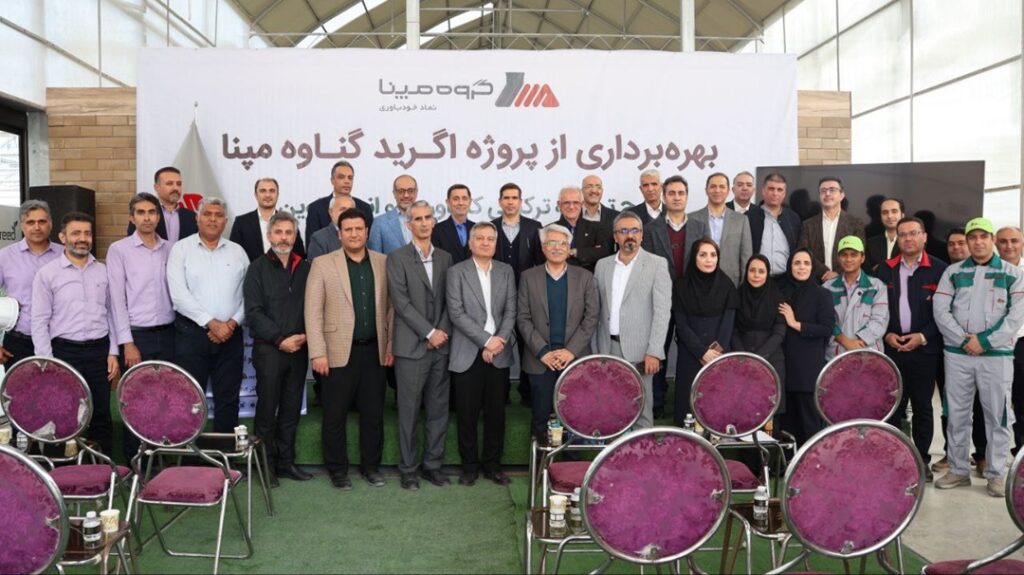
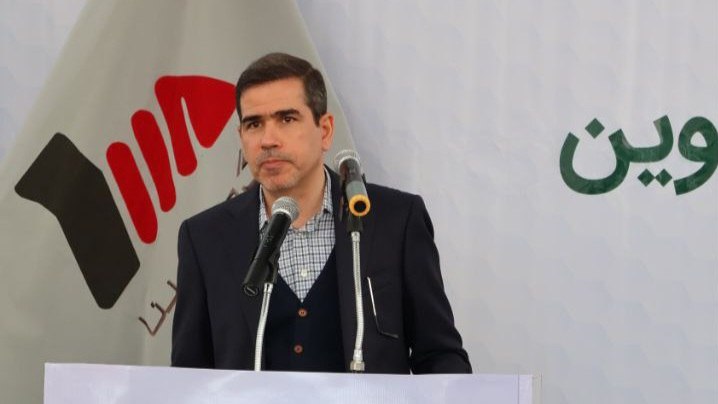
The inauguration ceremony was attended by Mohammad Owliya, President of MAPNA Group, alongside a host of other senior executives of the conglomerate.
The ‘AGREED’ Project: An Overview
Aligned with national macro-policies, MAPNA Group has implemented this combined agriculture and renewable energy project under the brand name AGREED.
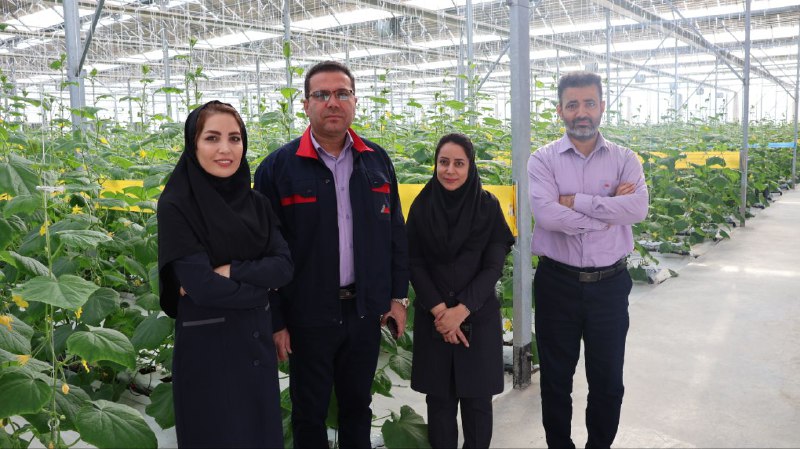
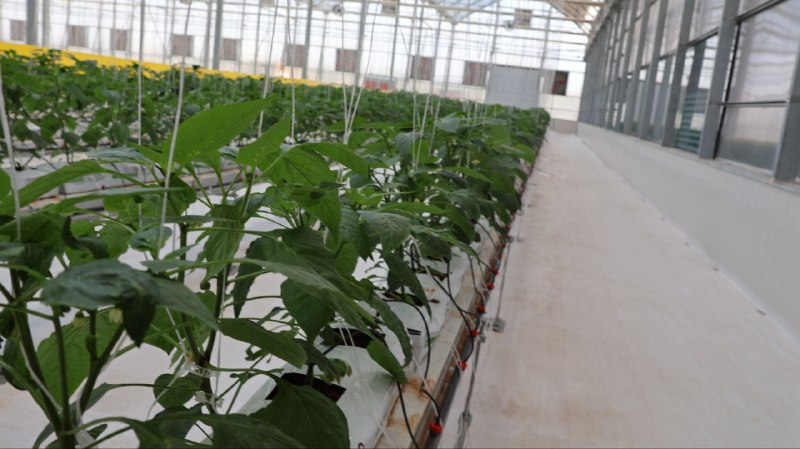
Executed as a national pilot scheme within the Genaveh Combined Cycle Power Plant in the southern province of Bushehr, the project covers one hectare of land. It features three greenhouses equipped with cutting-edge technology and solar panels with a capacity of 660 kilowatts installed on shared land.
In accordance with the National Knowledge-Based Food Security Document, the project utilizes state-of-the-art technologies. These include smart greenhouse processes, soil-less cultivation (hydroponics), optimized water management, and data analysis for enhanced energy efficiency.
Officially launched as a flagship example of integrating advanced technology with sustainable agriculture, AGREED represents a symbiosis of farming and new energy.
It provides a robust infrastructure for the synergy of clean energy and food production, shifting the agricultural model from traditional to knowledge-based.
The system features an IoT-based smart data analysis platform, creating a model for a sustainable future in Iranian agriculture through soil-less farming and water consumption management via drainage collection and recirculation.
Emphasis on Economic Efficiency
During the ceremony, Owliya pointed to the importance of optimizing and making water consumption smarter, particularly in the agricultural sector.
He expressed satisfaction with the launch of MAPNA’s combined agricultural and renewable energy development plan, outlining the pilot process and stressing the necessity of economic returns.
“Project AGREED, beyond social responsibility, brings many benefits, including the fact that this greenhouse was implemented with positive goals of saving agricultural water,” Owliya stated.
He further emphasized the necessity of collaborating with research groups and academic centers on such developments.
Owliya added that by implementing the AGREED project, MAPNA seeks different methods for product extraction, modern agriculture, and techniques to improve water and crop yield.
Regarding the energy aspect, he noted that the project is powered by photovoltaics. He pointed out that in addition to meeting the project’s own electricity needs, surplus solar power will be transferred to the national grid.
Shifting from Traditional to Knowledge-Based Agriculture
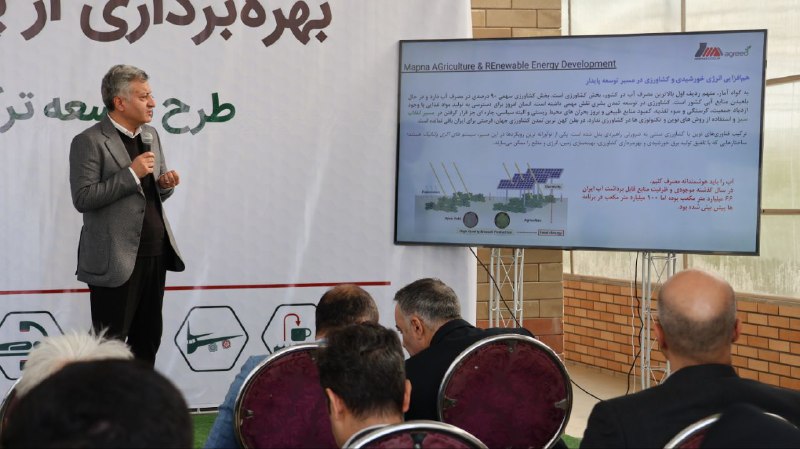
Majid Mohammadkazemi, AGREED Project Manager, addressed the audience, noting that over 90 percent of Iran’s water resources are consumed by agriculture. Highlighting Iran’s ancient agricultural history and rich natural resources, he called for change.
“Now we must take bold steps to build a sustainable future for tomorrow’s generations,” Mohammadkazemi said.
He continued by explaining that MAPNA Group, recognizing this urgency, implemented AGREED as a first experience on a small scale.
The project combines hydroponic greenhouse cultivation based on optimal water use with 660 kilowatts of solar power generation, he said, adding that it was constructed and commissioned within seven months through the dedicated efforts of the executive teams.
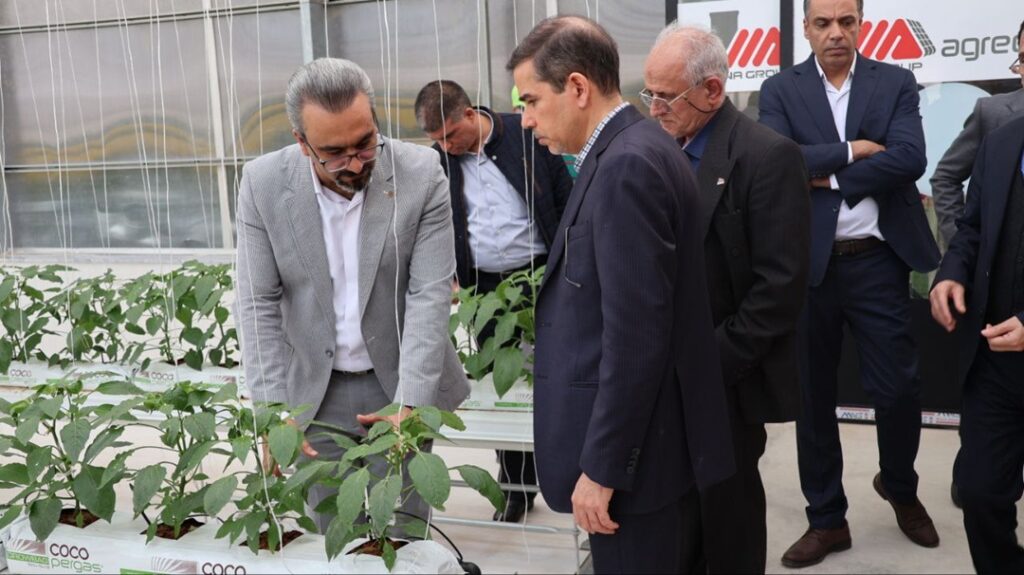
Explaining the technical details, Mohammadkazemi noted that in this agricultural design, soil is replaced by nutrient solutions, allowing plants to receive necessary nutrients directly from water. This technology results in faster growth, higher yields, and better quality while minimizing the risk of soil-borne diseases.
“Another advantage of this project is water recirculation, which leads to a reduction in consumption of three to five liters per square meter of the greenhouse,” he clarified regarding the project’s benefits.
“This amount of consumption brings a 70 percent reduction compared to soil cultivation and about a 45 percent reduction compared to the country’s common hydroponic cultivation.”
According to Mohammadkazemi, the entire process is controlled by a smart IoT-based system that provides automated monitoring and adjustment of temperature, humidity, light intensity, and CO2 levels, precise management of irrigation and nutrition, data analysis to predict diseases and pests before they occur, and remote control and supervision of the entire complex.
Increasing Resilience and Reducing Water Consumption
Faramarz Ghelichi, CEO of Monenco Iran Consulting Engineers, welcomed the initiative while addressing the ceremony.
“Today, many parts of the world face multiple food, water, and energy stresses; we must seek to increase resilience and improve water resource management by creating new opportunities for modern agriculture,” he said.
Ghelichi noted that the global population is projected to exceed 9.8 billion by 2050, accompanied by increasing water source pollution.
He explained that the modern world’s approach to managing this issue is the use of modern agriculture that simultaneously utilizes photovoltaics (PV) and two-way irrigation.
Advanced Research Technologies
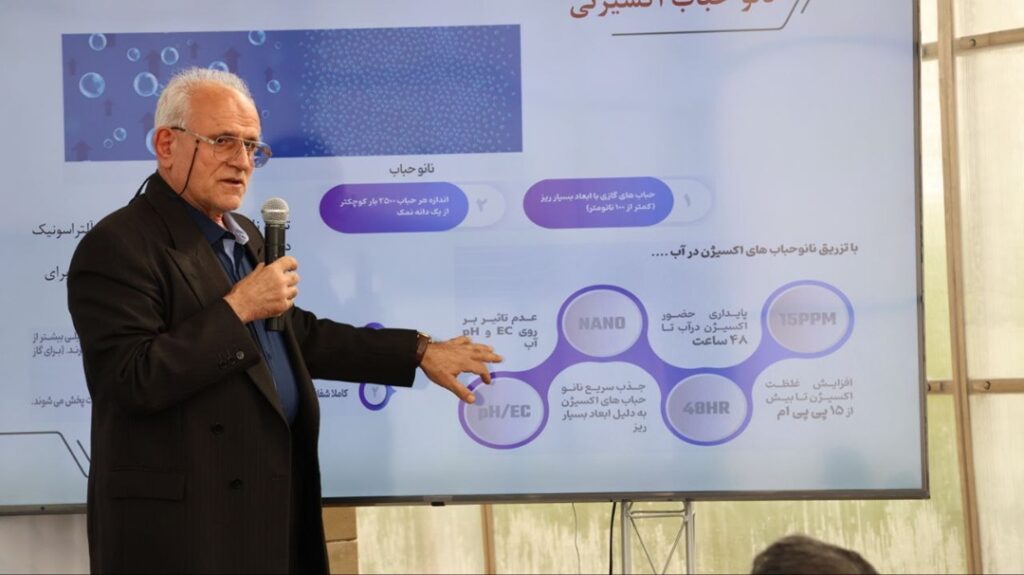
Amir Abdollah, MAPNA Group’s Vice President of Research and Technology, also spoke at the event. He discussed the advanced biological and technical aspects, noting that the system involves various plant and mineral tissues, including graft cuttings, oxygen nano-bubbles, light/temperature/humidity control, cold plasma, ozone, and digital technology.
“In a nano-bubble, the size of each bubble is 2,500 times smaller than a grain of salt. Also, gas bubbles have very fine dimensions as small as 100 nanometers,” Abdollah explained.
He added that injecting oxygen nano-bubbles increases the stability of oxygen presence in water for up to 48 hours. Due to their minute size, these bubbles are rapidly absorbed, leading to an increase in oxygen concentration to over 15 PPM.
Abdollah further noted, “The production of nano and oxygen bubbles involves ultrasonic vibrations with high frequency, which easily pass through the micron pores of the root and go into the plant for interactions.”
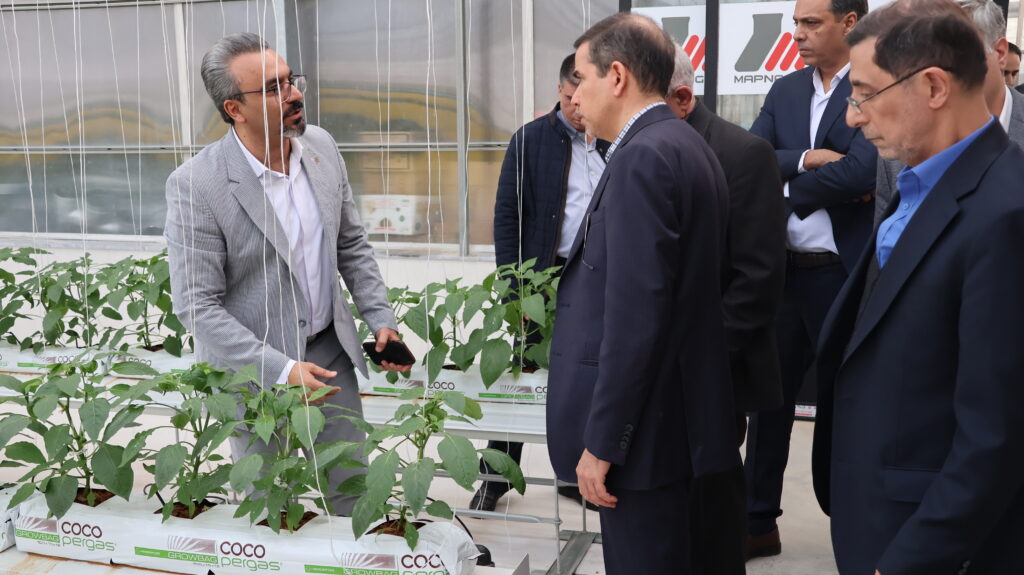
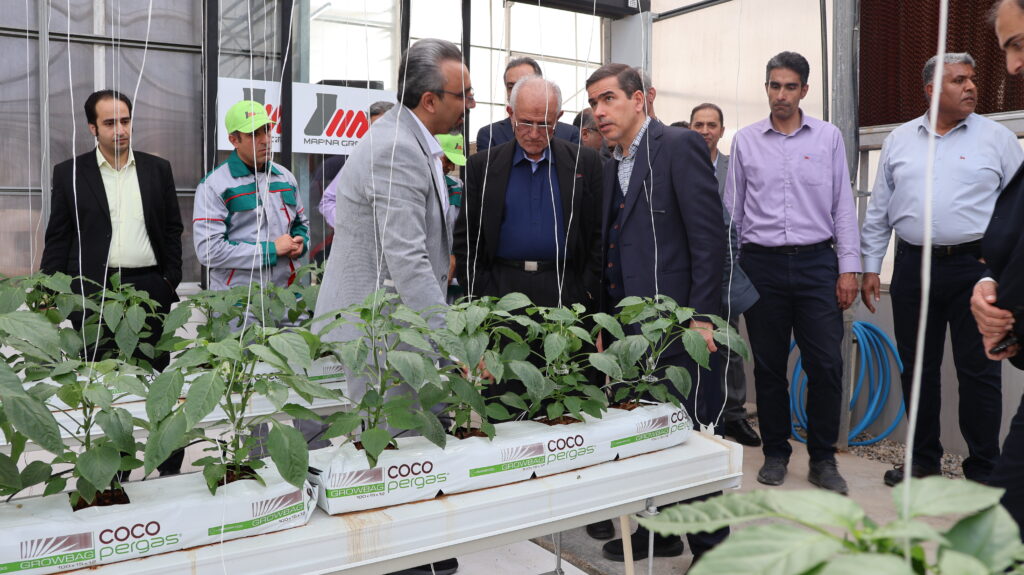
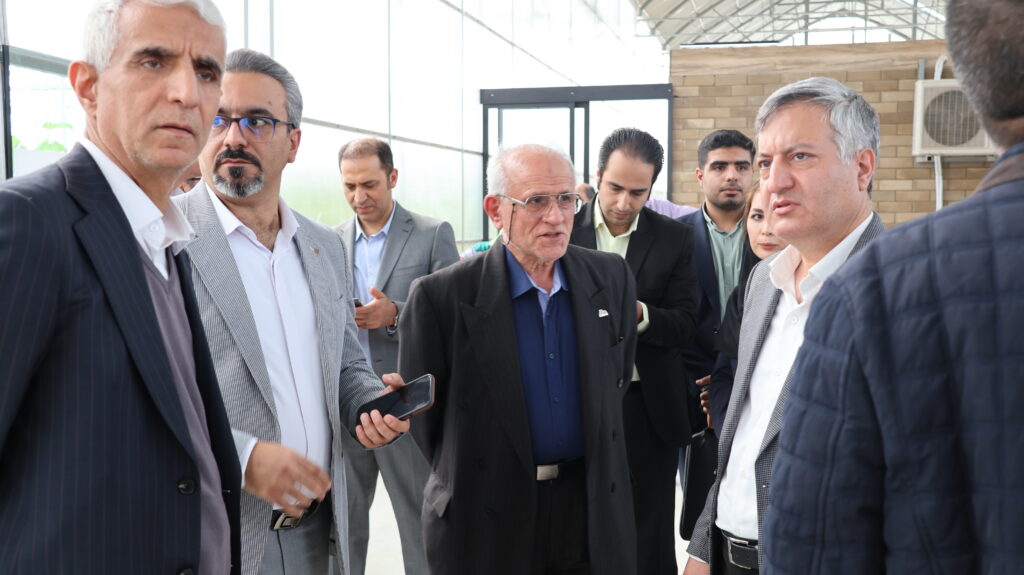
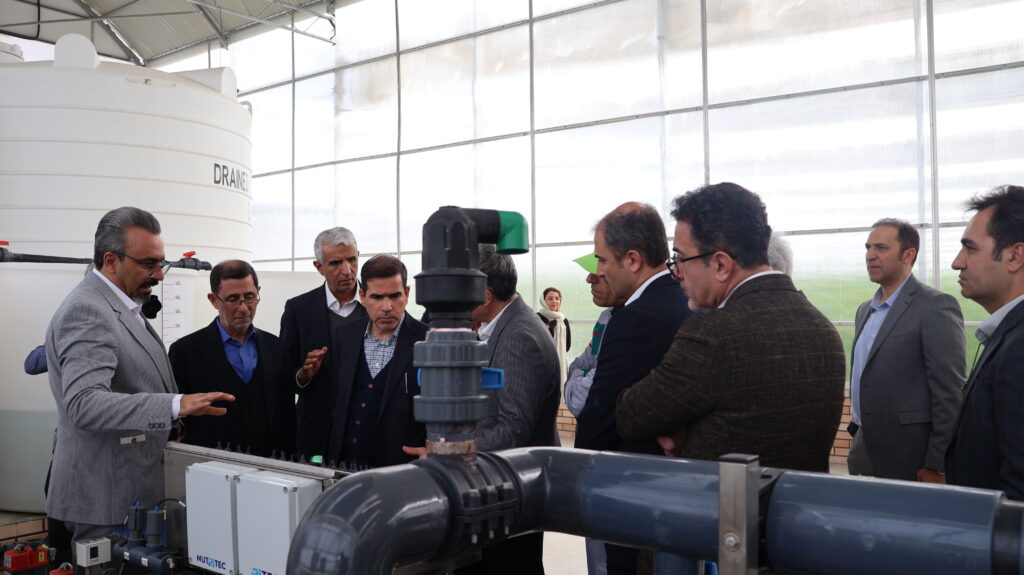
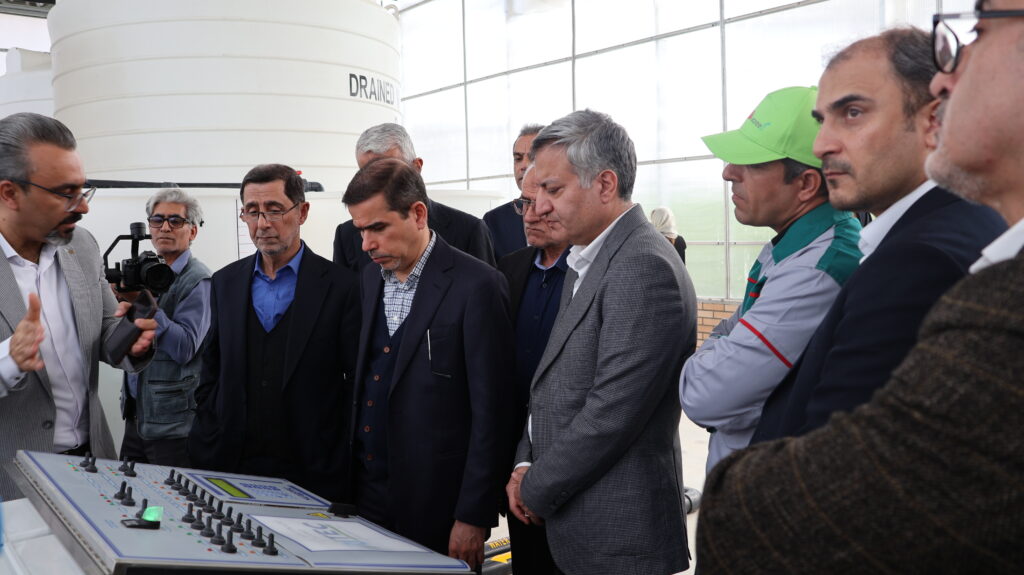
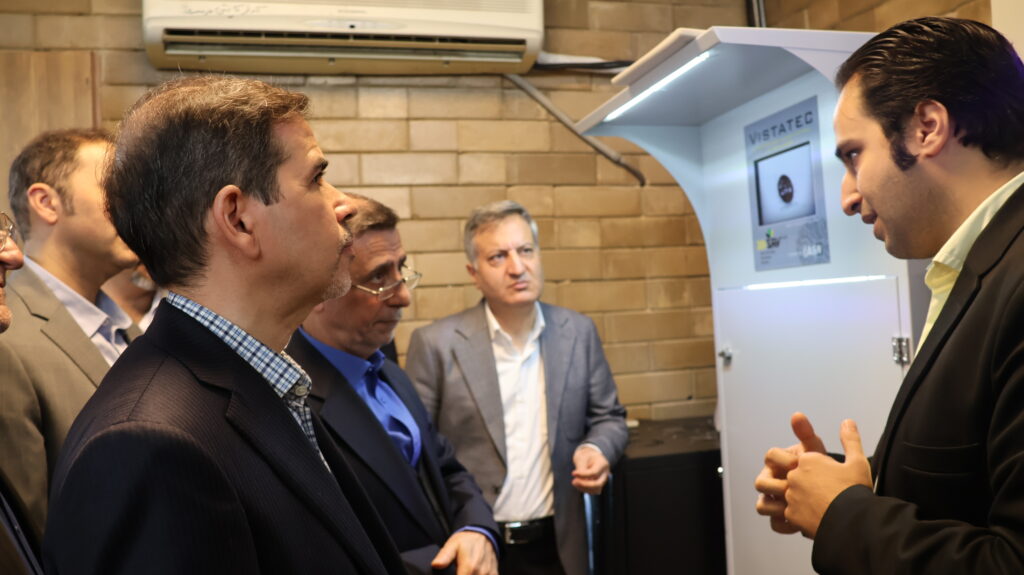
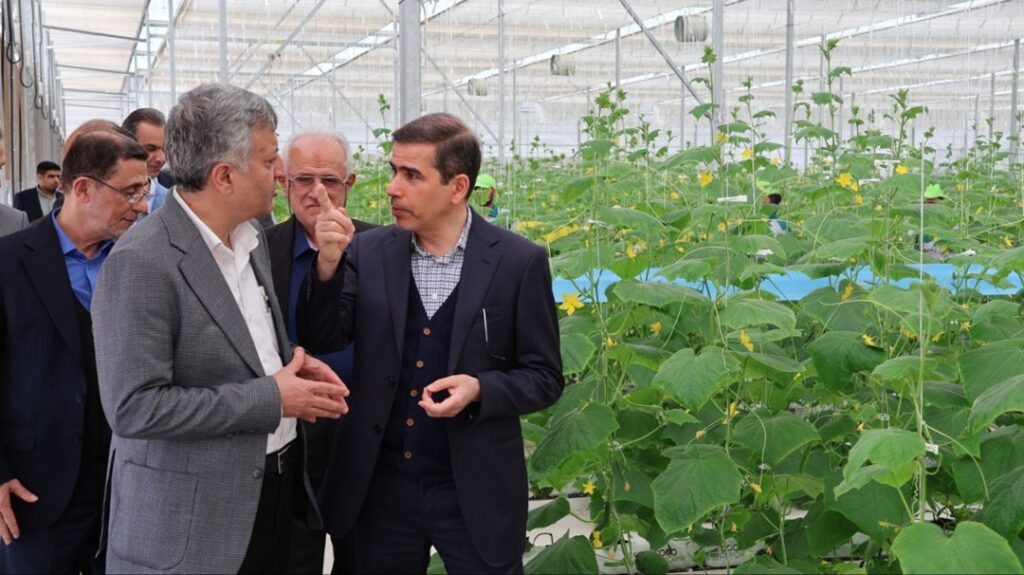
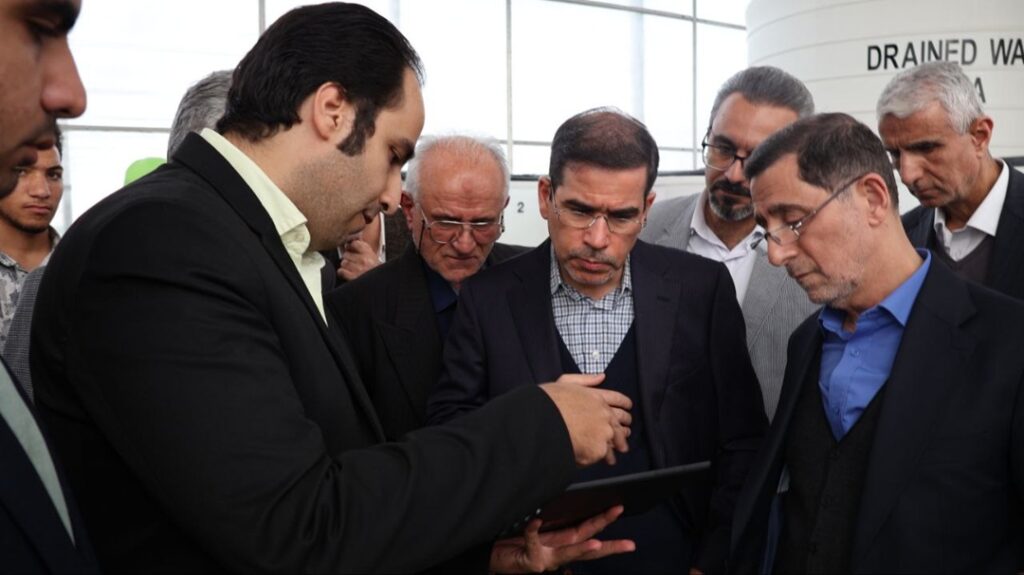
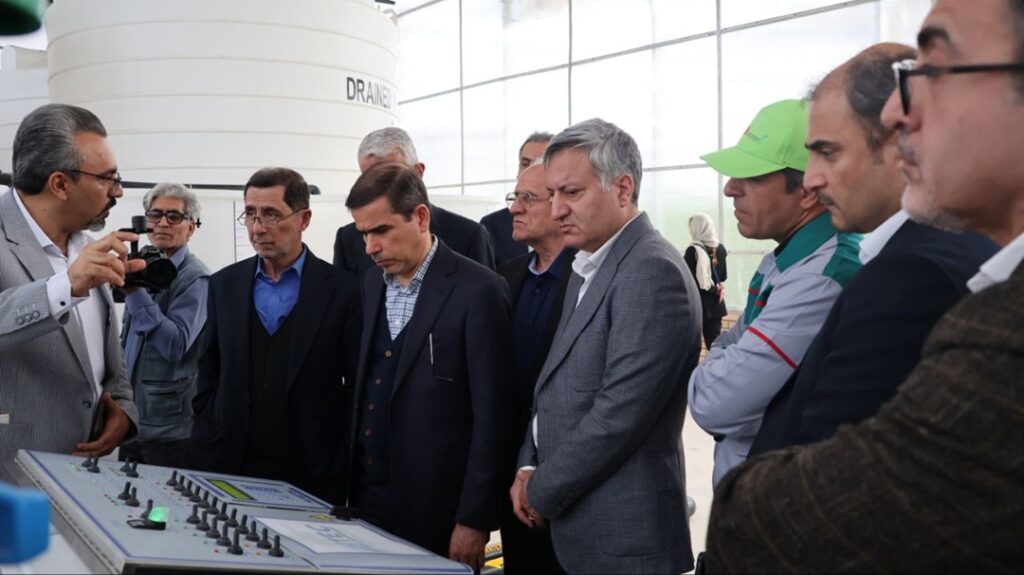
Following the speeches, the top managers and the guests visited the various sections of the three greenhouse sites of the AGREED project to see its functions firsthand.